You’re expecting a baby. The nursery’s painted. The crib’s assembled. But you’re stuck on one crucial decision the name.
You want something meaningful. Something spiritual. Maybe you’ve heard “Tristan” and wondered: is Tristan a biblical name? Does it carry the weight of Scripture, or are you choosing something spiritually empty?
Here’s the straightforward answer: No, Tristan doesn’t appear in the Bible. Not once. Not in Hebrew Scriptures. Not in Greek texts. Not anywhere.
But before you cross it off your list, you need the full story. Because the biblical meaning of Tristan goes deeper than you’d expect. This name connects powerfully with Scripture’s most redemptive themes even though it never appears on any biblical page.
In this article, you’ll discover Tristan’s real origins, why it resonates with biblical themes of grief and hope, whether Christians should use it, and perfect Bible verses for children bearing this name. Let’s dive in.
The Real Origin of Tristan Celtic Roots Meet Christian Europe
Most baby name books get the Tristan name origin completely wrong. They’ll tell you it’s Latin. Or Celtic. Or French. The reality? It’s all three, tangled together through centuries of cultural exchange and linguistic evolution.
Understanding where Tristan actually comes from helps you grasp its spiritual weight.
The Latin Connection
The most common theory traces Tristan to Latin tristis, meaning “sad” or “sorrowful.” Roman culture dominated Europe for centuries. Their language seeped into naming conventions everywhere from Brittany to Britain.
The Tristan name meaning under this interpretation becomes “sorrowful one” or “born of sadness.” The -an suffix was a typical Latinized ending for masculine names in Medieval Europe. Think Julian, Adrian, Sebastian all following this pattern.
Here’s what’s fascinating: Latin origin doesn’t equal biblical. Many assume anything Latin must be scriptural. Wrong. The Bible was translated into Latin (the Vulgate), but most biblical names originated in Hebrew or Greek. Latin tristis never appears in Scripture.
During the Renaissance, classical names exploded in popularity. Parents loved reviving ancient Roman names. Tristan rode that wave. But its connection to Christian morality? That came later.
The Celtic Alternative
There’s another compelling theory. Tristan in the Bible doesn’t exist, but Tristan in Celtic legend? Absolutely.
Some scholars argue Tristan derives from Drustan or Drystan a legendary Pictish warrior from pre-Christian Britain. This Celtic name possibly meant “tumult” or “riot.” Not exactly peaceful.
The Celtic origin of Tristan predates Christianity’s arrival in the British Isles. Pagan Celtic warriors carried this name centuries before missionaries brought the Gospel. Ancient Celtic mythology celebrates a hero named Drystan, connected to Arthurian legends.
When you examine Brythonic languages (early Celtic tongues spoken in Cornwall and Wales), Drustan appears repeatedly. The transformation from Drustan to Tristan happened through Norman conquest and Gallicization the French tendency to smooth harsh Celtic sounds.
Key insight: If Tristan has Celtic roots, it emerged from paganism, not Christianity. That bothers some parents. Should it?
Medieval Synthesis
By the Twelfth Century, Old French had transformed Drustan into Tristan. Medieval romance literature exploded with the Tristan and Isolde legend a tragic love story that captivated Christian Europe.
Here’s where it gets interesting. Medieval writers took a pagan Celtic tale and dressed it in Christian Europe’s clothing. They kept the adultery, magic potions, and fate-driven tragedy but set it in supposedly Christian courts with Christian characters.
This medieval synthesis created confusion lasting until today. Parents assume Tristan must be biblical because medieval Christians used it. But those same Christians also named their kids after King Arthur (definitely not biblical) and celebrated courtly love traditions that directly contradicted Scripture.
The Tristan and Isolde legend became one of medieval literature’s most influential works. But its values? Completely opposed to biblical teaching about marriage, faithfulness, and free will.
Is the Name Tristan in the Bible?
Let’s settle this definitively. Is Tristan found in the Bible? No.
I’ve checked:
- The Hebrew Old Testament (every manuscript)
- Greek New Testament texts
- Latin Vulgate translation
- English translations (KJV, NIV, ESV, NASB, NKJV)
- Even the Apocrypha
Tristan appears exactly zero times.
Here’s helpful context: Only about 2,800 to 3,000 distinct names appear across all Scripture. Millions of Christians worldwide carry non-biblical Christian names. That’s completely normal.
Consider these popular “Christian” names absent from Scripture:
| Name | Origin | Biblical? |
|---|---|---|
| Madison | English surname | No |
| Kimberly | Old English place name | No |
| Nevaeh | Modern invention (“heaven” backwards) | No |
| Christian | Descriptor in Acts, not a personal name | No |
| Trinity | Theological concept, never used as name | No |
The confusion persists because Tristan sounds vaguely biblical. It has that ancient, weighty quality. Plus, medieval Christian Europe used it extensively. But sounding biblical doesn’t make something scriptural.
Critical point: The Bible closed its canon centuries before Tristan emerged as a given name. The timeline makes biblical inclusion impossible.
Read This Article: The Biblical Meaning of William
So does this disqualify Tristan for Christian families? Not remotely. Next, we’ll explore why.
Biblical Themes That Mirror Tristan’s Meaning
While Tristan in the Bible never appears, its meaning sorrow, sadness, mourning saturates Scripture. God doesn’t ignore grief. He transforms it.
The spiritual meaning of Tristan connects powerfully with biblical patterns of redemptive suffering.
Sorrow as Sacred Pathway
The Bible treats sorrow as spiritually significant, not shameful. Look at Job a righteous man who lost everything. His suffering and redemption became Scripture’s longest exploration of undeserved pain.
Psalm 23 mentions walking through “the valley of the shadow of death.” Not around it. Through it. David understood sorrow as an essential pathway to deeper faith.
Consider Jeremiah, called the “weeping prophet.” God specifically chose a deeply emotional man to deliver hard truths. His tears weren’t weakness they were prophetic authenticity. The entire Book of Lamentations exists as sacred space for grief.
Jesus himself was called “man of sorrows” in Isaiah 53. The Messiah’s identity included suffering. His tears at Lazarus’s tomb (John 11:35) demonstrate sorrow’s holiness.
Application for parents: Naming a child Tristan doesn’t curse them with sadness. It acknowledges biblical realism. Life includes suffering. God meets us there.
Tears That Water New Growth
Psalm 126:5 declares: “Those who sow in tears will reap with songs of joy.”
This isn’t mere poetry. Ancient agriculture in the Ancient Near East required backbreaking labor. Farmers literally sweat and wept while planting knowing harvest was never guaranteed. Yet they sowed faithfully.
The biblical lament and faith connection runs deep. Tears aren’t the opposite of faith they’re often its fertilizer.
2 Corinthians 1:3-4 explains God “comforts us in all our troubles, so that we can comfort those in any trouble.” Sorrow equips you for ministry. People who’ve never suffered rarely comfort effectively.
Parents naming their child Tristan can claim this prophetic promise: Your child’s struggles will produce fruit. Endurance and perseverance in the Bible always precede promotion.
The Blessing Hidden in Brokenness
The Beatitudes in Matthew 5 include this stunning promise: “Blessed are those who mourn, for they will be comforted.”
Wait blessed? Mourning and comfort Bible verses flip worldly wisdom upside down. Our culture avoids sadness. Scripture embraces it as pathway to blessing.
Isaiah 61:3 describes God’s exchange program: “beauty for ashes, oil of joy for mourning, a garment of praise instead of a spirit of despair.” Notice the pattern God starts with ashes, mourning, despair. Then transforms them.
Joseph’s story demonstrates this perfectly. Sold into slavery by his brothers. Falsely accused. Imprisoned. Yet Genesis 50:20 records his conclusion: “You intended to harm me, but God intended it for good.” Redemptive grief at its finest.
Prophetic Voices of Lament
The Bible’s most powerful voices emerged from suffering:
- David wrote his most beloved psalms during flight from Saul
- Paul experienced his greatest revelations through weakness (2 Corinthians 12:9)
- Jesus learned obedience through suffering (Hebrews 5:8)
Psalm 34:18 promises: “The LORD is close to the brokenhearted and saves those who are crushed in spirit.” God gravitates toward sorrow.
Modern Christianity often demands toxic positivity. But Scripture makes room for sacred suffering. The Christian interpretation of sorrow isn’t elimination it’s transformation.
Biblical Meaning and Spiritual Insight of the Name Tristan
So what’s the biblical interpretation of names like Tristan that don’t appear in Scripture?
Christians can infuse non-biblical names with scriptural significance through intentional framing. Here’s how the Christian meaning of Tristan emerges:
1. Redemptive Sorrow Identity
Not wallowing in sadness, but recognizing sorrow as spiritual growth. 2 Corinthians 7:10 distinguishes “godly sorrow brings repentance that leads to salvation” from worldly sorrow that produces death.
Naming a child Tristan becomes prophetic declaration: “Your struggles won’t define you God’s faithfulness will.”
2. Empathy Marker
Children named Tristan may develop unusual compassion. They might naturally gravitate toward hurting people. Hebrews 4:15 describes Jesus sympathizing with our weaknesses having been tempted yet remaining sinless.
The spiritual symbolism of names matters. Speaking “comforter” and “wounded healer” over your Tristan shapes their identity.
3. Strength Through Struggle
James 1:2-4 teaches: “Consider it pure joy when you face trials, because you know that the testing of your faith produces perseverance.”
Biblical heroes weren’t born strong they became strong through adversity. Trials produce perseverance. Naming patterns can reflect this truth.
4. Authentic Faith
Tristan rejects shallow, emotionally dishonest Christianity. The name embraces Scripture’s full emotional range from Lamentations’ raw grief to Psalms’ exuberant praise.
Ecclesiastes 3:4 acknowledges “a time to weep and a time to laugh.” Tristan-bearers might embody this balance beautifully.
Practical blessing prayer:
“Lord, we bless Tristan. Transform every tear into testimony. Let sorrow produce hope after grief. Make him a comforter who leads others from darkness to light. In Jesus’ name, amen.”
Separating Medieval Legend from Biblical Truth
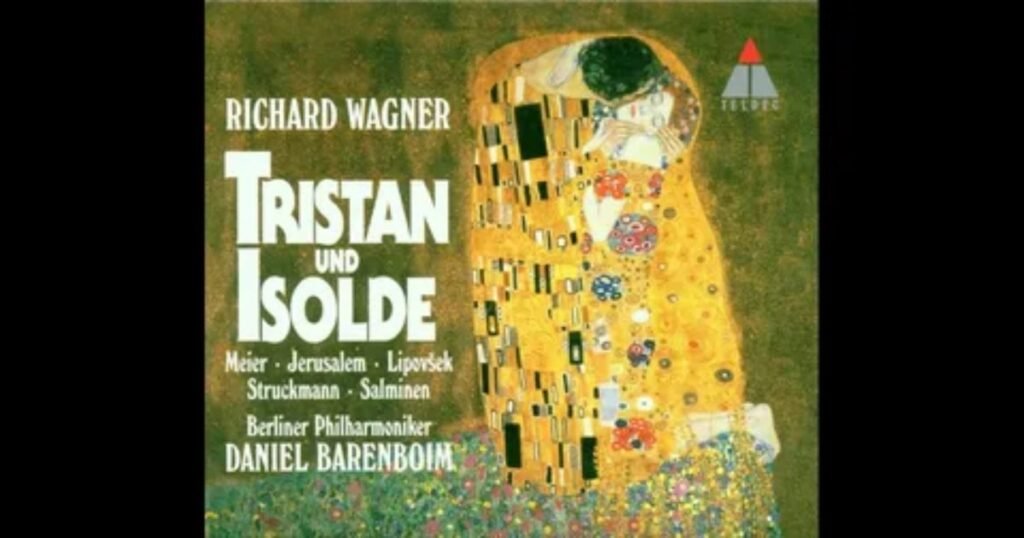
Here’s where we address the elephant in the room: the Tristan and Isolde legend.
This medieval romance literature shaped how generations perceive the name. But its values directly contradict Scripture. Christian parents should understand the baggage.
The Legend’s Basic Plot
Tristan and Isolde tells of a Cornish knight sent to Ireland to escort Princess Isolde to King Mark (Tristan’s uncle). During the journey, they accidentally drink a magic potion causing irresistible love. Despite Isolde marrying Mark, she and Tristan pursue an adulterous affair. The story ends in their deaths.
The courtly love tradition celebrated in medieval literature often glorified adultery as noble passion. This directly opposes biblical sexual ethics.
Celtic Roots vs. Christian Framework
The original Celtic legends emerged from pagan culture. When Norman writers adapted these stories for Christian audiences, they added superficial Christian elements characters attend church, swear by God while keeping pagan values intact.
Fate drives the lovers together (via magic potion), eliminating moral agency. But Scripture insists on free will and personal responsibility. Romans 6:16 teaches we’re slaves to what we choose, not victims of destiny.
This tension between Celtic mythology vs Christianity creates confusion. The legend uses Christian vocabulary while promoting un-Christian behavior.
Theological Concerns with the Story
Several elements should trouble believers:
- Adultery normalized: The affair is portrayed sympathetically
- Occult elements: Magic potions, druidic influences, pagan rituals
- Death romanticism: Suicide implications in the ending
- Fate vs free will: Predetermined love contradicts biblical moral agency
But here’s crucial perspective: Many biblical names attach to deeply flawed people. Abraham lied repeatedly. David committed adultery and murder. Judas betrayed Christ. Yet Abraham, David, and Judas are biblical names.
If we reject Tristan solely due to a medieval legend, consistency demands rejecting biblical names tied to sinful actions. That’s absurd.
Tristan as a Christian Name The Verdict

Should Christians name their children Tristan? Absolutely yes. Here’s why concerns are overblown.
Better Than Many “Biblical” Names
Some biblical names carry terrible associations:
| Biblical Name | Association | Used Today? |
|---|---|---|
| Jezebel | Murdered prophets, extreme wickedness | Almost never |
| Judas | Ultimate betrayer | Extremely rare |
| Cain | First murderer | Very rare |
| Delilah | Destructive seductress | Somewhat common |
| Nimrod | Rebel against God | Rare (now an insult) |
Logic check: If Christians avoid these biblical names due to negative associations, why should a non-biblical legend disqualify Tristan?
Thousands of faithful Christians bear the name Tristan. Their character comes from Christ, not medieval literature.
When Cultural Association Matters Less
Biblical values over name origin should guide decisions. Consider biblical precedent:
Daniel became “Belteshazzar” in Babylon a name honoring pagan gods. Did this compromise him? No. His faithfulness transcended his name.
Esther’s name derived from Ishtar, a Mesopotamian goddess. Yet God used her mightily despite this pagan etymology.
The Apostle Paul used his Roman name (honoring the Roman Paulus family) alongside his Hebrew name Saul. Cultural context didn’t diminish spiritual authority.
Key principle: Meaning vs appearance of biblical names matters more than origin. What you speak over your child outweighs what their name originally meant.
Romans 14:5 teaches: “Each person should be fully convinced in their own mind.” Name selection falls under Christian liberty. No universal rule exists beyond Scripture’s silence.
Bible Verses Perfect for a Child Named Tristan
Here are powerful verses to speak as blessings and identity markers:
Psalm 30:5
“Weeping may stay for the night, but rejoicing comes in the morning.”
Why it fits: Perfectly captures transformation through pain. Sorrow is real but temporary. Joy is coming.
Application: Pray this during difficult seasons. Speak it over nighttime struggles.
Psalm 126:5-6
“Those who sow with tears will reap with songs of joy. Those who go out weeping, carrying seed to sow, will return with songs of joy.”
Why it fits: The agricultural promise of sowing in tears guaranteeing harvest.
Application: Speak over long-term projects or character development.
Matthew 5:4
“Blessed are those who mourn, for they will be comforted.”
Why it fits: Divine blessing embedded in sorrow. God comforts the brokenhearted.
Application: Comfort a grieving child with this promise.
2 Corinthians 1:3-4
“Praise be to the God and Father of our Lord Jesus Christ, the Father of compassion and the God of all comfort, who comforts us in all our troubles, so that we can comfort those in any trouble.”
Why it fits: Sorrow equips for ministry. Wounded healers bless others most effectively.
Application: Frame struggles as preparation for future calling.
Isaiah 61:3
“To bestow on them a crown of beauty instead of ashes, the oil of joy instead of mourning, and a garment of praise instead of a spirit of despair.”
Why it fits: God’s supernatural exchange program. He specializes in growth through suffering.
Application: Declare this over painful experiences.
Romans 8:28
“And we know that in all things God works for the good of those who love him, who have been called according to his purpose.”
Why it fits: Comprehensive promise God redeems everything, including sorrow.
Application: Repeat during unexplainable hardships.
Psalm 34:18
“The LORD is close to the brokenhearted and saves those who are crushed in spirit.”
Why it fits: God gravitates toward pain. He doesn’t distance himself from sufferers.
Application: Remind your child they’re never alone in struggles.
Revelation 21:4
“He will wipe every tear from their eyes. There will be no more death or mourning or crying or pain.”
Why it fits: Ultimate promise no more tears in eternity. Current sorrow is temporary.
Application: Provide eternal perspective during grief.
Frequently Asked Questions
Is the name Tristan found in the Bible?
No. Tristan appears nowhere in Scripture not in the Old Testament, New Testament, or Apocrypha. The name emerged from Celtic or Latin origins centuries after the biblical canon closed. Only about 3,000 names appear in the entire Bible, and Tristan isn’t among them.
Does Tristan have a biblical meaning?
Not directly, but powerfully thematically. The Tristan name meaning sorrow or sadness connects deeply with biblical themes of grief and hope. Scripture extensively addresses redemptive grief, promising those who sow in tears will reap joy (Psalm 126:5).
What does the name Tristan mean spiritually in a biblical sense?
Spiritually, Tristan represents sacred suffering and transformation. It echoes biblical patterns where hardship precedes glory. 2 Corinthians 7:10 speaks of godly sorrow producing repentance. James 1:2-4 teaches trials perfect faith. The Tristan name spirituality carries prophetic weight naming a child “sorrowful one” while claiming God’s promise to transform tears into testimony.
Is Tristan a Christian name?
Yes, absolutely. While not originally biblical, Tristan became widely used among Christians during Medieval Christian Europe and remains popular in faith-based baby names today. Most Christian names aren’t biblical consider Madison, Kimberly, or even “Christian” itself (used only as a descriptor in Acts, never as a personal name). Biblical values and names matter more than biblical appearance.
What biblical themes connect with the name Tristan?
Several powerful themes align:
- Redemptive suffering (Job, Joseph, Paul’s thorn)
- Tears producing growth (Psalm 126:5-6)
- Beauty from ashes (Isaiah 61:3)
- Blessed mourning (Matthew 5:4)
- Comfort ministry (2 Corinthians 1:3-4)
The strongest connection is Scripture’s consistent pattern: suffering births deeper faith and greater ministry effectiveness.
Can the name Tristan have a positive biblical interpretation?
Definitely. Parents can frame Tristan with powerfully positive biblical interpretation of names:
- Overcomer identity: Romans 8:37 “more than conquerors”
- Prophetic declaration: Isaiah 61:3 “oil of joy for mourning”
- Ministry preparedness: 2 Corinthians 1:4 equipped to comfort
- Authentic faith: Embracing Scripture’s full emotional range
Meanings transform through intention and spoken blessing.
Is it okay to give a child a non-biblical name?
Absolutely. Scripture contains no command requiring biblical names. This falls under Christian liberty. Biblical characters themselves used non-biblical Christian names Daniel became Belteshazzar (Babylonian), Esther used a name derived from the goddess Ishtar, and Paul used his Roman name alongside Hebrew Saul. What matters most is faith-based parenting values, not name origin.
Conclusion
Is the name Tristan in the Bible? No. Does that matter? Not nearly as much as you’d think.
Here’s what we’ve discovered:
The name Tristan doesn’t appear in Scripture. Its roots trace to either Latin tristis (sorrow) or Celtic Drustan (tumult), emerging centuries after biblical times through medieval European names.
But its meaning resonates powerfully with biblical truth. God repeatedly transforms sorrow into significance. The Psalm 126:5 meaning sowing in tears, reaping with joy perfectly captures Tristan’s redemptive potential.
The medieval legend doesn’t define modern usage. Yes, Tristan and Isolde promoted un-Christian values. But biblical names like Jezebel and Judas carry worse associations. We’ve separated the name from the story.
Christians can confidently choose Tristan. It’s a Christian baby name meaning parents can infuse with scriptural blessing. What you speak over your child matters infinitely more than etymological origins.
Powerful verses await. From Matthew 5:4 (“blessed are those who mourn”) to 2 Corinthians 12:9 (strength perfected in weakness), Scripture offers rich blessing for children named Tristan.
Here’s your faith-based name meaning takeaway: Names carry weight, but they don’t determine destiny. God called Abram (“exalted father”) before he had children, then renamed him Abraham (“father of many”) to match his future. Similarly, parents can speak biblical meaning over Tristan transforming etymology through faith.
Final encouragement: Choose names wisely. Raise children faithfully. Trust God with outcomes. The Christian perspective on naming children prioritizes godly character over name origin every time.
Your Tristan’s story won’t be written by Celtic mythology or Old French romance. It’ll be authored by the God who promises beauty from ashes, joy from mourning, and resurrection from every death.
That’s a legacy worth naming.
Share this with expecting parents wrestling with name choices. And remember what you speak over your child matters infinitely more than what their name originally meant. Blessing prayers for children shape identity far more powerfully than etymology ever could.