
When you picture Satan, what comes to mind? A horned, red-skinned creature wielding a pitchfork in Hell’s fiery depths? That’s what centuries of art, literature, and popular imagination have taught us. But here’s the startling truth: the biblically accurate Satan looks nothing like this medieval caricature. The biblical view of Satan presents something far more subtle, strategic, and sobering a spiritual adversary whose true nature has been buried under layers of cultural mythology.
Americans overwhelmingly believe in Satan. Recent surveys show approximately 60% believe in a literal spiritual adversary, yet most couldn’t articulate what Scripture actually says about this figure. This gap between belief and biblical knowledge creates dangerous territory. We’ve inherited Milton’s tragic anti-hero, Dante’s frozen three-headed monster, and Hollywood’s charming rebel but we’ve lost the scriptural portrait of Ha-Satan, the divine prosecutor operating within God’s sovereign authority.
This journey will strip away centuries of artistic license and theatrical tradition to answer one question: What does the Bible actually reveal about Satan? We’ll trace his evolution from the Hebrew Bible’s heavenly court to Revelation’s cosmic warfare, examine the controversial Lucifer debate, and discover why understanding the biblically accurate Satan matters for your faith today.
Understanding the Biblically Accurate Satan in Scripture
The foundation for understanding Satan begins not with pitchforks or horns, but with ancient Hebrew terminology and divine council imagery. Unlike popular depictions, Scripture presents a remarkably restrained portrait one that evolved gradually across biblical history.
The Hebrew Concept of Ha-Satan
Ha-Satan isn’t actually a name. It’s a title meaning “the adversary” or “the accuser.” That definite article “ha” changes everything. Job doesn’t encounter “Satan” but rather “the satan” a specific role within the heavenly court imagery of ancient Israel’s theology.
In Job 1:6–12, Satan appears among “the sons of God” presenting themselves before Yahweh. He’s not a rebellious outsider but a member of this divine assembly. His function? To question Job’s motives for righteousness. “Does Job fear God for nothing?” he asks, performing his role as divine prosecutor testing whether human faithfulness stands on genuine devotion or mere self-interest.
This concept appears elsewhere. In Numbers 22, an angel of the Lord becomes “a satan” (adversary) to Balaam. The Hebrew word simply means “opponent” or “accuser.” Context determines whether it’s supernatural or human.
Defining Characteristics of Ha-Satan:
- Functions as covenant prosecutor: Tests the genuineness of Israel’s faithfulness
- Operates under strict divine permission: Cannot act beyond boundaries God establishes
- Tests rather than tempts: Exposes what’s already present in human hearts
- Presents adversarial position: Argues the skeptical case before the divine court
- Lacks independent malevolent agency: No rebellion narrative exists in Hebrew Bible
The Zechariah 3:1–2 vision reinforces this. Joshua the High Priest stands before the Angel of the Lord while “the satan” stands at his right hand to accuse him. But notice: the Lord rebukes Satan. The divine prosecutor serves God’s purposes, remaining subordinate to divine authority.
Read This Article: Biblically Accurate Lucifer
Satan’s Transformation Across Biblical Texts
Scripture’s portrayal of Satan underwent significant development between the Old Testament and New Testament periods. This evolution reflects changing theological understanding rather than contradiction.
During the Intertestamental Period (roughly 400 BCE to Christ’s birth), Jewish theology expanded dramatically. Literature like the Book of Enoch introduced elaborate demonology and angelic rebellion narratives absent from the Hebrew Bible. This period saw Zoroastrian dualism influence from Persia cosmic battles between good and evil forces.
Satan’s Evolution Through Scripture:
- Old Testament period: Rare appearances (Job, Zechariah, 1 Chronicles). Functions within divine sovereignty. No rebellion account.
- Intertestamental period: Expanded mythology. Angelic rebellion stories develop. Apocalyptic literature flourishes.
- New Testament era: Personal tempter. Active spiritual adversary. Cosmic warfare intensifies.
- Revelation’s portrayal: Great Dragon. Ancient Serpent. Ultimate defeat prophesied in final judgment.
By the New Testament, Satan emerges as active opponent of God’s kingdom. Yet even here, crucial limitations remain. Satan requests permission to “sift” Peter (Luke 22:31). He operates within boundaries. The evolution of Satan concept shows increasing personification and opposition, but never independent power rivaling God’s sovereignty.
Distinct Roles Across Old and New Testaments
The contrast between Old and New Testament portrayals reveals functional evolution within consistent theological boundaries.
Old Testament Satan appears sparingly primarily in Job, Zechariah 3, and 1 Chronicles 21:1 (where he incites David’s census). His role stays limited: tester, accuser, catalyst for demonstrating righteousness. He’s not depicted as God’s cosmic enemy but rather as a prosecutorial function within heaven’s court.
New Testament Satan becomes far more active. In Matthew 4:1–11 and Luke 4:1–13, he personally tempts Jesus in the wilderness. Notice his tactics: manipulation of Scripture itself. Satan quotes Psalm 91:11–12 to Jesus, demonstrating how truth twisted becomes deception’s sharpest weapon.
Paul calls Satan “the god of this world” (2 Corinthians 4:4). Peter describes him as a “roaring lion” seeking someone to devour (1 Peter 5:8). John identifies him as “father of lies” who was a “murderer from the beginning” (John 8:44). These metaphors paint an active spiritual adversary engaged in cosmic warfare against God’s redemptive purposes.
Yet crucial continuity remains. James 4:7 promises that Satan will flee when resisted. Ephesians 6:10–18 describes spiritual armor suggesting defensive posture, not panicked retreat. Even Revelation’s dragon remains ultimately defeated enemy theology his doom certain, his time limited.
Characteristics of the Biblically Accurate Satan
What defines the biblical Satan beyond cultural stereotypes? Scripture emphasizes function over physical appearance, revealing an adversary whose power derives from deception, not brute force.
Satan’s Functions and Symbolic Significance
The Bible assigns Satan specific roles that illuminate his character and methods. Understanding these functions clarifies how he operates within God’s sovereign authority.
Accuser of believers appears in Revelation 12:9, which identifies Satan as “the accuser of our brothers…who accuses them before our God day and night.” This prosecutorial function echoes Job and Zechariah. Satan exposes human weakness, demanding judgment for sin. Yet Christ’s advocacy defeats this accusation.
Tempter of humanity manifests throughout Scripture. Beyond the wilderness temptation narrative, Satan tempts through circumstances, suggestions, and opportunities. 1 Thessalonians 3:5 reveals Paul’s concern that “the tempter” might have tempted the Thessalonians, making his work useless. This role focuses on drawing humans toward disobedience.
Deceiver through half-truths defines Satan’s primary tactic. Revelation 12:9 calls him “the deceiver of the whole world.” His Genesis 3 strategy with Eve demonstrates this perfectly: mixing truth (“you will not surely die” regarding immediate physical death) with deadly lies (omitting spiritual death consequences).
Satan’s Symbolic Functions in Scripture:
- Tests covenant faithfulness genuinely: Exposes whether devotion rests on genuine love
- Exposes human vulnerabilities systematically: Reveals weaknesses requiring divine strength
- Represents opposition to redemptive purposes: Embodies resistance to God’s saving work
- Embodies rebellion against divine authority: Symbolizes the essence of refusing God’s rule
- Serves as cosmic scapegoat figure: Bears symbolic weight of evil’s personification
These functions operate within strict boundaries. Satan cannot create ex nihilo. He manipulates existing desires, circumstances, and truths. His derivative authority comes only through what God permits for redemptive purposes.
Biblical Descriptions and Metaphorical Imagery
Here’s where Scripture surprises most readers: no physical description of Satan exists. Every biblical reference uses metaphorical representations of evil rather than literal appearance details.
Genesis 3:1–5 introduces “the serpent” more crafty than other creatures. Revelation 12:9 identifies “the great dragon…that ancient serpent, who is called the devil and Satan.” Is this literal reptilian form? The context suggests symbolic imagery. The ancient serpent Genesis connection represents cunning, danger, and temptation’s original manifestation.
Revelation 12:7–9 depicts war in heaven: “Michael and his angels fought against the dragon, and the dragon and his angels fought back.” This great dragon Revelation imagery employs apocalyptic symbolism cosmic conflict represented through mythic creatures. Ancient Near Eastern readers understood dragon imagery as chaos symbolism representing forces opposing divine order.
Satan’s Appearance Across Scripture:
| Biblical Text | Imagery Used | Symbolic Meaning |
|---|---|---|
| Genesis 3 | Serpent | Cunning, deception, danger |
| Job 1–2 | Member of divine assembly | Accuser within God’s court |
| Zechariah 3 | Accuser at right hand | Legal prosecutor role |
| Matthew 4 | Tempter (no description) | Function emphasized over form |
| 2 Corinthians 11:14 | Angel of light | Deceptive transformation ability |
| 1 Peter 5:8 | Roaring lion | Predatory danger, seeking prey |
| Revelation 12 | Dragon, ancient serpent | Chaos, cosmic opposition |
2 Corinthians 11:14 reveals Satan “transforms himself into an angel of light.” This angel of light disguise warns against judging spiritual truth by appearance. Satan doesn’t announce himself with horns and pitchfork. He masquerades as beneficial, enlightened, even godly.
The function over physical appearance emphasis throughout Scripture suggests Satan’s true danger lies not in fearsome looks but subtle spiritual deception. He’s a prosecutor, not a monster. A strategist, not a brute.
The Adversary’s Operational Boundaries
Perhaps nothing corrects popular Satan mythology more than understanding his profound limitations. The biblically accurate Satan operates under divine control over evil, never as God’s equal opponent.
Job 1:12 records God telling Satan, “Behold, all that he has is in your hand. Only against him do not stretch out your hand.” Later, God permits Satan to touch Job’s body but not take his life. These aren’t negotiations between equals but boundaries set by God for a subordinate being.
Jesus declares in Luke 10:18, “I saw Satan fall like lightning from heaven” whether referring to Satan’s original fall or his defeat through the disciples’ ministry. Either way, it establishes Satan’s defeated position.
Limitations on Satan’s Power:
- Cannot act beyond divine permission: Every move requires God’s allowance
- Lacks omniscience, omnipresence, or omnipotence: Finite creature, not deity
- Bound by divine sovereignty ultimately: God’s purposes prevail absolutely
- Cannot compel sin: Humans choose; Satan only tempts
- Subject to eventual judgment: Revelation 20:10 prophesies his final doom
1 Corinthians 10:13 promises God won’t allow temptation beyond what we can bear and provides escape routes. This implies satanic temptation boundaries God controls the intensity and duration of testing.
James 4:7 offers stunning simplicity: “Resist the devil, and he will flee from you.” This defeated enemy flees from human resistance empowered by God. Compare this to Scripture’s description of God, from whom no one can flee (Psalm 139:7–12). The contrast reveals Satan’s limited nature.
Deception as Primary Tactic
If Satan’s power isn’t physical domination, what’s his primary weapon? Spiritual deception defines his operational method throughout Scripture.
John 8:44 records Jesus declaring, “He was a murderer from the beginning, and does not stand in the truth, because there is no truth in him. When he lies, he speaks out of his own character, for he is a liar and the father of lies.” This identifies deception as Satan’s essential nature.
Genesis 3 demonstrates this perfectly. The serpent asks Eve, “Did God actually say…?” This question plants doubt about God’s word. Then comes the direct contradiction: “You will not surely die.” Finally, the motive accusation: God knows eating the fruit will make them like Him, implying God’s selfishness.
Notice the deception’s anatomy: (1) Question God’s word, (2) Contradict God’s truth, (3) Impugn God’s character. This pattern recurs throughout biblical and human history.
2 Corinthians 11:3 warns, “I am afraid that as the serpent deceived Eve by his cunning, your thoughts will be led astray from a sincere and pure devotion to Christ.” Paul identifies Satan’s spiritual deception targeting the mind thoughts, beliefs, devotion.
Revelation 12:9 calls Satan “the deceiver of the whole world.” His influence operates globally through lies presented as truth, evil disguised as good, and rebellion packaged as freedom.
Understanding deception in spiritual warfare transforms defense strategy. We combat Satan primarily through truth, not exorcisms. Ephesians 6:14 lists truth as the first piece of spiritual armor. Jesus defeats Satan’s wilderness temptation by correctly applying Scripture truth confronting lies.
Biblical Versus Cultural Depictions of Satan
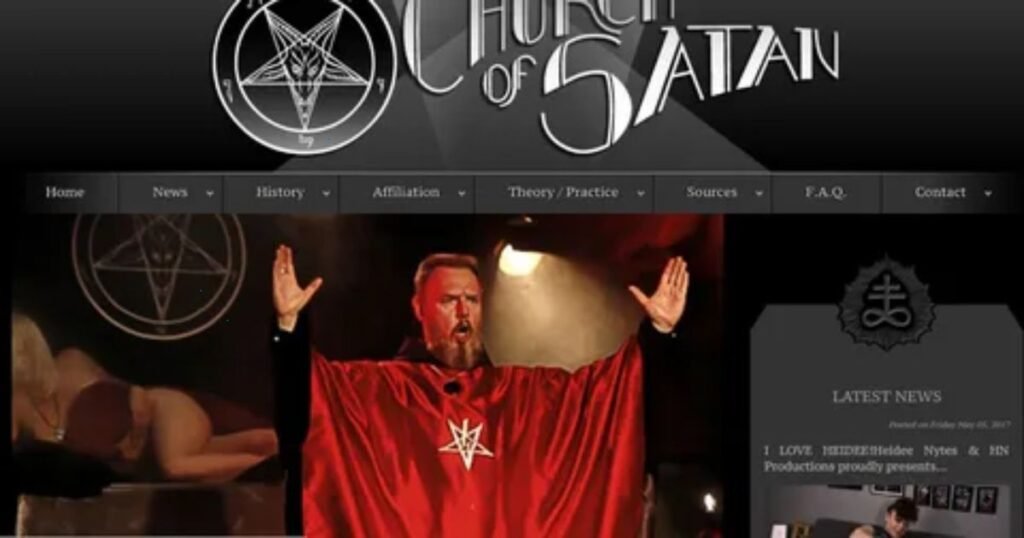
Walk into any Halloween store and Satan’s image is unmistakable: crimson skin, pointed tail, horns, pitchfork. Ask where this image comes from and most people assume “the Bible.” They’d be wrong. Cultural misrepresentation of Satan has almost entirely replaced the scriptural portrayal of Satan.
Literary and Artistic Influences on Satan’s Image
The Satan we “know” culturally owes more to poets and painters than prophets and apostles. Three primary sources shaped popular Satan imagery.
John Milton’s Paradise Lost (1667) transformed Satan into a tragic anti-hero. Milton’s Satan declares, “Better to reign in Hell than serve in Heaven” a quote many believe is biblical. It’s not. Milton created a sympathetic anti-hero Satan, a rebel with understandable grievances against divine tyranny. This portrayal influenced centuries of Western culture, making Satan seem almost noble in his defiance.
Dante Alighieri’s Inferno (1320) placed Satan at the frozen center of Hell, a grotesque three-headed creature eternally chewing Judas, Brutus, and Cassius. While less sympathetic than Milton’s version, Dante’s vivid imagery cemented Hell as Satan’s kingdom a concept with weak biblical support. Scripture never depicts Satan as Hell’s ruler but as its future prisoner (Revelation 20:10).
Medieval mystery plays and theatrical tradition portrayed Satan as a comedic figure with horns, tail, and pitchfork. These traveling performances brought biblical stories to illiterate populations but injected cultural elements absent from Scripture. The horned devil origin traces to pagan deities like Pan and representations of wild, untamed nature.
Major Cultural Influences:
- Dante Alighieri (1320): Three-headed frozen Satan torturing traitors eternally
- John Milton (1667): Tragic, eloquent fallen angel with almost heroable defiance
- Medieval morality plays: Comedic, horned devil figure for common entertainment
- Renaissance art: Humanized demonic figures influenced by classical mythology
- Gothic literature (1700s-1800s): Romantic Era Satan as misunderstood rebel
These literary and artistic works achieved cultural dominance. Most people’s Satan theology comes from Milton, not Matthew. They envision Dante’s Hell, not biblical Gehenna.
Historical Development of Visual Representations
How did we get from Scripture’s non-physical descriptions to today’s universal devil image? The evolution reveals fascinating cultural appropriation of existing imagery.
Evolution of Satan’s Visual Depiction:
| Period | Characteristics | Influences |
|---|---|---|
| Early Christianity (100-400 AD) | Minimal visual representation; focus on spiritual reality | Iconoclastic tendencies; persecution era |
| Byzantine period (400-1400) | Symbolic, non-human forms; emphasis on spiritual ugliness | Eastern Orthodox theology; symbolic art |
| Medieval era (1000-1400) | Grotesque, animalistic features; horns, tails, hooves | Pagan deity appropriation (Pan, Baal, satyrs) |
| Renaissance (1400-1600) | Increasingly humanized; dramatic, imposing figures | Classical mythology revival; humanist art |
| Modern period (1800-present) | Varied: from sympathetic anti-hero to pure evil | Literature, film, diverse theological perspectives |
The horns and red devil myth specifically derives from conflating Satan with Pan the Greek god of nature depicted with goat legs, horns, and wild appearance. Early Christians sought to demonize pagan worship, so they borrowed pagan deity imagery to visualize evil.
Red devil symbolism has no biblical basis whatsoever. Some scholars trace it to associations with fire and Hell, others to theatrical costuming needs (red was visible and dramatic on medieval stages).
By the Medieval Period, Satan’s appearance was standardized: horns (pagan gods), hooves (animals, lower nature), tail (serpent connection), pitchfork (ruling Hell), red/black coloring (fire/darkness). None originated from Scripture.
Modern Media’s Portrayal of the Adversary
Contemporary culture continues reimagining Satan, often moving further from biblical foundations. Modern media Satan portrayal ranges from terrifying to charming.
Film depictions vary wildly. The Exorcist (1973) presents Satan through demonic possession genuine biblical concept executed with Hollywood horror. The Devil’s Advocate (1997) casts Satan as a sophisticated, persuasive lawyer (closer to biblical deceiver). Constantine (2005) creates an entire mythology around angelic warfare.
Most recently, television’s Lucifer (2016-2021) epitomizes sympathetic anti-hero Satan trend. The show’s devil abandons Hell to run a Los Angeles nightclub, helping solve crimes. He’s charming, misunderstood, even heroic. Millions watched weekly, absorbing a Satan bearing no resemblance to Scripture’s adversary.
Satan in Modern Media:
- Horror genre: Focuses on fear, possession, supernatural terror
- Fantasy/comic books: Satan as character in cosmic narratives
- Dramatic films: Often sympathetic, questioning God’s justice
- Comedy: Satan as bumbling or misunderstood figure
- Video games: Frequently the final antagonist or playable anti-hero
This modern media saturation shapes beliefs more than Sunday sermons. Young people especially absorb theological ideas through entertainment, rarely fact-checking against Scripture.
Key Differences Between Scripture and Culture
The gap between biblical vs cultural Satan couldn’t be wider. Let’s examine specific contrasts.
Biblical Versus Cultural Satan:
| Aspect | Biblical Satan | Cultural Satan |
|---|---|---|
| Physical appearance | Never described; symbolic imagery only | Red skin, horns, tail, pitchfork, goat features |
| Location/domain | Not Hell’s ruler; future prisoner there | Rules Hell, tortures souls, throne in underworld |
| Power level | Limited, subordinate, operates by divine permission | Near-equal opponent to God, independent power |
| Personality | Calculated deceiver, strategic accuser | Dramatic villain, often sympathetic or comedic |
| Relationship to Hell | Destined for punishment there (Revelation 20:10) | Current king, eternal torturer of damned |
| Ultimate fate | Defeated enemy, certain doom prophesied | Sometimes portrayed as ultimately winning souls |
| Primary method | Deception, lies, half-truths, accusations | Possession, contracts, direct confrontation |
The cultural Satan is essentially a separate figure from the biblically accurate Satan. One is rooted in Scripture; the other in centuries of artistic embellishment, pagan appropriation, and theological speculation.
This matters enormously. Believers fearing the horned monster may miss the subtle spiritual deception actually threatening them. Those viewing Satan as sympathetic rebel may underestimate the spiritual adversary genuinely opposing their faith.
The Lucifer Debate: Biblically Accurate Analysis
Perhaps no aspect of Satan theology generates more confusion than the Lucifer biblical debate. Millions of Christians confidently assert “Lucifer” as Satan’s pre-fall name. Ask for biblical proof and they cite Isaiah 14. Examine that passage carefully and the connection dissolves.
Etymology and Translation History
“Lucifer” never appears in the Hebrew Bible. The word is Latin, introduced by Jerome when translating the Latin Vulgate around 405 AD.
Isaiah 14:12 in Hebrew reads: “הֵילֵל בֶּן־שָׁחַר” (helel ben shachar). This phrase means “shining one, son of the dawn” or “morning star.” It describes Venus, the planet visible before sunrise hence “day star” or “light-bearer.”
When Jerome translated this Hebrew phrase into Latin, he used “lucifer” a Latin word meaning “light-bearer” (lux = light, ferre = to bear). In Latin, “lucifer” wasn’t a name but a common term for Venus, the morning star.
Lucifer’s Linguistic Origins:
- Hebrew original: הֵילֵל בֶּן־שָׁחַר (helel ben shachar)
- Literal meaning: “Shining one, son of dawn” or “morning star“
- Latin Vulgate (405 AD): “Lucifer” (standard term for Venus/day star)
- King James (1611): Retained Latin term as proper noun
- Modern translations: Return to “morning star,” “day star,” or “shining one”
The King James translators kept “Lucifer” without translating it, and English readers assumed it was a name. Thus a Latin astronomical term became Satan’s supposed original name through translation choice, not biblical text.
Isaiah 14: Addressing Babylon’s King
Context demolishes the Satan interpretation. Isaiah 14:4 explicitly identifies the passage’s subject: “You will take up this taunt against the king of Babylon.”
The entire chapter addresses Babylon’s fall. Verse 16 describes people looking at the fallen figure and asking, “Is this the man who made the earth tremble, who shook kingdoms?” A man. Not a fallen angel. A historical human ruler whose pride brought destruction.
Isaiah 14 Contextual Evidence:
- Verse 4: “Take up this taunt against the king of Babylon“
- Historical setting: Prophecy during Babylonian Exile period (6th century BC)
- Literary genre: Prophetic taunt song mocking enemy’s fall
- Mythological imagery: Common Ancient Near Eastern poetic language
- Verse 16-17: Describes a man whose body lies unburied
- Primary subject: Babylonian monarch’s hubris and downfall
Isaiah 14:13–14 records this king’s arrogant thoughts: “I will ascend to heaven; above the stars of God I will set my throne…I will make myself like the Most High.” This echoes Babylonian royal ideology where kings claimed divine status.
Isaiah 14:16 continues: “Those who see you will stare at you and ponder over you: ‘Is this the man who made the earth tremble?'” The Hebrew word is “אִישׁ” (ish), definitely meaning “man.” How could this refer to a non-human angel?
The morning star Isaiah 14 metaphor works perfectly for a Babylonian king. Ancient Near Eastern poetry often compared kings to celestial bodies bright, exalted, seemingly permanent. The taunt mocks this king’s fall from heaven (political power) to Sheol (death and disgrace). His ambitions reached skyward; his fate descended to dust.
Ezekiel 28: The Tyre Connection
Ezekiel 28 suffers similar misapplication. The chapter explicitly addresses “the prince of Tyre” (verse 2) and “the king of Tyre” (verse 12). Yet many claim verses 12-17 describe Satan’s fall.
The passage uses extravagant language: “You were the signet of perfection, full of wisdom and perfect in beauty. You were in Eden, the garden of God…You were an anointed guardian cherub” (Ezekiel 28:12–17).
Ezekiel 28 Contextual Markers:
- Ezekiel 28:2: Explicitly addressed to “prince of Tyre“
- Ezekiel 28:12: Lament concerning “king of Tyre“
- Historical context: Tyre was wealthy Phoenician trading city
- Commerce references: Verses 16-18 describe trade, violence, dishonest commerce
- Ezekiel 28:19: “All who know you among the peoples are appalled” references human witnesses
- Primary interpretation: Metaphorical language describing human ruler’s pride
Tyre’s kings claimed divine status. Archaeological evidence shows Tyrian royal theology incorporated sacred garden imagery and quasi-divine authority. Ezekiel employs this imagery sarcastically mocking the king’s pretensions.
Ezekiel 28:19 concludes: “All who know you among the peoples are appalled at you; you have come to a dreadful end and shall be no more forever.” This describes human witnesses observing a human ruler’s destruction.
Why the Eden and cherub language? Ancient Near Eastern royal ideology regularly employed such metaphors. The passage uses Tyre’s own theological claims against itself poetic justice through prophetic irony.
Development of the Satan-Lucifer Association
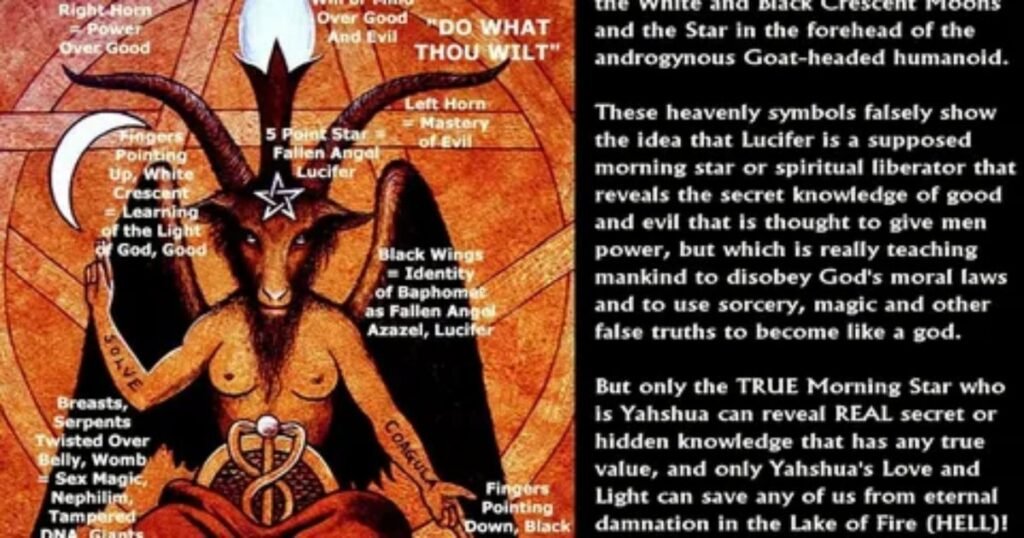
If Isaiah 14 and Ezekiel 28 clearly address human kings, how did they become associated with Satan’s fall? Tradition vs textual criticism reveals the answer.
Origen (185-254 AD), an influential early church father, pioneered allegorical biblical interpretation. He suggested Isaiah 14 had both literal (Babylonian king) and spiritual (Satan’s fall) meanings. This dual-reference interpretation gained traction.
Tertullian (160-220 AD) and other early theologians reinforced this reading. By the Medieval Period, the Satan interpretation became standard Western Christian tradition.
The association strengthened because Isaiah 14’s language aspiring to heaven, falling from heights, proud ambition seemed to match angelic rebellion narratives developing in intertestamental literature and early Christian thought.
But here’s the crucial point: this interpretation arose from theological tradition, not textual analysis. When we examine actual biblical text what it says, who it addresses, what context surrounds it the Satan interpretation lacks support.
Modern biblical scholarship, across denominational lines, largely recognizes Isaiah 14 and Ezekiel 28 as addressing human rulers using Ancient Near Eastern royal mythology. The Satan association represents interpretive tradition imposed onto text, not meaning drawn from text.
Jesus’s Statement on Satan’s Origin
What about John 8:44, where Jesus calls the devil “a murderer from the beginning“? Doesn’t this confirm Satan’s ancient fall?
The Greek phrase “ἀπ’ ἀρχῆς” (ap archēs) means “from the beginning,” but which beginning? Creation? Human history? The context suggests the latter.
Implications of ‘Murderer from the Beginning’:
- May reference Genesis 3: Satan’s deception led to spiritual death entering humanity
- Could indicate Cain’s murder: 1 John 3:8 connects devil to “those who sin from the beginning” (context: Cain)
- Suggests ancient opposition: Satan opposed God’s purposes from early in redemptive history
- Doesn’t necessarily require pre-creation fall: Could mean from humanity’s beginning
- Remains open to interpretation: Admits multiple valid theological readings
Jesus’s statement confirms Satan’s ancient role as opponent of truth and source of murderous evil in human history. But it doesn’t explicitly describe angelic rebellion before creation.
Theological Understanding of the Biblically Accurate Satan
How does Satan function within the Bible’s larger narrative? Moving beyond specific passages to systematic understanding reveals Satan’s complex theological role.
Satan’s Function in Biblical Narratives
Satan serves specific purposes across Scripture’s unfolding drama. Understanding these functions illuminates biblical theology of Satan.
Satan’s Roles Across Scripture:
- Job: Tests whether righteous suffering can destroy genuine faithfulness
- Zechariah 3: Accuses Joshua the High Priest, representing Israel’s unworthiness
- Gospels: Tempts Jesus, attempting to derail Messianic mission
- Acts: Opposes early church expansion, fills Ananias’s heart with lies
- Epistles: Threatens believers through deception, persecution, and temptation
- Revelation: Leads final rebellion before ultimate judgment and eternal defeat
In each narrative, Satan functions as catalyst his opposition forces clarification, testing, and ultimately demonstrates God’s redemptive power overcoming evil.
The testing human righteousness function appears prominently. Job’s suffering tests whether his faithfulness depends on blessing. Jesus’s wilderness temptation tests whether the Messiah will fulfill His mission God’s way or take shortcuts Satan offers.
Satan also serves to externalize evil giving personal agency to opposition against God. This prevents attributing evil directly to God while maintaining divine sovereignty over Satan. Satan cannot act without permission, yet his actions remain genuinely evil, creating a complex theodicy framework.
Detailed Examination of Key Passages
Several passages prove crucial for understanding the biblically accurate Satan. Let’s examine them carefully.
Critical Passages Revealing Satan’s Nature:
Job 1:6-12, 2:1-7: Satan appears in the divine council, presenting himself with God’s sons. The dialogue establishes Satan’s role as skeptical prosecutor. God initiates Job’s testing, but Satan executes it within strict boundaries. Job 1:12 states: “The LORD said to Satan, ‘Behold, all that he has is in your hand. Only against him do not stretch out your hand.'” This demonstrates divine permission and limits.
1 Chronicles 21:1: “Satan stood against Israel and incited David to number Israel.” This passage marks a shift Satan actively inciting evil rather than merely testing righteousness. Interestingly, 2 Samuel 24:1 attributes the same incitement to God’s anger, illustrating how Satan operates within divine purposes even while acting malevolently.
Matthew 4:1–11: The wilderness temptation of Jesus reveals Satan’s strategic deception. He quotes Scripture (Psalm 91:11–12), demonstrating that Satan quotes Scripture when it serves his purposes. Jesus defeats each temptation by correctly applying God’s Word, modeling resistance through truth.
John 13:27: “Then after he had taken the morsel, Satan entered into him” (referring to Judas). This shows Satan’s influence on human choice, yet Judas makes the decision. Satan works through, not against, human agency.
2 Corinthians 4:4: “The god of this age has blinded the minds of unbelievers.” This “god” is Satan not claiming deity but wielding significant influence over fallen human systems.
Ephesians 6:11-12: “Put on the full armor of God, so that you can take your stand against the devil’s schemes. For our struggle is not against flesh and blood, but against…the spiritual forces of evil.” This establishes spiritual warfare as reality while providing defensive armor based on truth, righteousness, faith, and Scripture.
Revelation 12:9-10, 20:1-10: Satan appears as “the great dragon…that ancient serpent, who is called the devil and Satan.” Chapter 12 describes war in heaven Revelation 12 and Satan’s expulsion. Chapter 20 prophesies his final defeat bound for a thousand years, then released briefly before ultimate judgment in the lake of fire.
These passages collectively present Satan as real spiritual adversary, strategic deceiver, limited by divine authority, and ultimately defeated by Christ.
Interpretations Across Christian Traditions
Various Christian traditions emphasize different aspects of Satan theology while sharing core beliefs.
Denominational Perspectives on Satan:
Catholic theology maintains traditional fallen angel doctrine, identifying Satan as Lucifer before his rebellion. The Church provides formal exorcism rites for addressing demonic possession, administered by specially trained priests. Catholic teaching emphasizes Satan’s role in temptation and free will, making humans morally responsible despite satanic influence.
Eastern Orthodox Christianity focuses less on systematized Satan theology and more on Christ’s victory over death and evil. Orthodox non-dualistic evil framework maintains that evil has no independent existence it’s privation of good. Satan represents rebellion against divine order but remains created being, not eternal principle.
Reformed Protestant traditions emphasize God’s sovereignty over Satan above all. Satan operates only by divine permission for purposes advancing God’s glory and believers’ sanctification. This theological framework prevents attributing independent power to Satan that might compromise divine omnipotence.
Charismatic/Pentecostal churches often emphasize spiritual warfare models more actively, practicing deliverance ministry and territorial spiritual mapping. They see Satan’s influence as pervasive, requiring active confrontation through prayer, fasting, and explicit resistance.
Liberal Protestant interpretations sometimes treat Satan symbolically personification of evil rather than literal personal being. This demythologizing approach sees Satan as mythological language for human sinfulness and systemic evil.
Despite these differences, shared convictions remain: Satan opposes God’s purposes, deceives humanity, operates within divine boundaries, and faces certain defeat through Christ’s victory.
Comparative Religious Perspectives on the Biblically Accurate Satan
Satan appears across Abrahamic faiths, yet each tradition understands this adversarial figure differently. Examining these perspectives illuminates how interpretation shapes theology.
Jewish Understanding of Ha-Satan
Jewish Ha-Satan theology differs significantly from Christian interpretations, remaining closer to the Hebrew Bible’s original portrayal.
Jewish Theological Distinctives:
- Ha-Satan remains God’s servant: Never rebelled, never fell from grace
- No fallen angel narrative traditionally: Jewish theology generally rejects this Christian doctrine
- Yetzer hara explains temptation: The “evil inclination” within humans accounts for moral struggle
- Less personified than Christianity: More function than person in much Jewish thought
- Focuses on human moral responsibility: Cannot blame Satan for choices made
- No cosmic dualism: God’s absolute unity and sovereignty never threatened
In Jewish thought, Ha-Satan functions like a prosecuting attorney in God’s court. His role is legitimate, necessary, even divinely appointed. He tests the genuineness of human faithfulness but never operates against God’s will.
The yetzer hara concept provides Judaism’s primary explanation for human evil. Rabbinic teaching describes two inclinations within each person: yetzer hatov (good inclination) and yetzer hara (evil inclination). Moral life consists of choosing between these internal drives rather than resisting external demonic influence.
This framework places moral responsibility squarely on human choice. You cannot blame Ha-Satan for your sins he merely exposes what’s already in your heart. This aligns with the Hebrew Bible’s portrayal better than later Christian angelic rebellion mythology.
Islamic Conception of Iblis
Islam presents Iblis (also called Shaytan) with unique theological characteristics distinct from both Jewish and Christian Satan.
Islamic Distinctive Features:
- Iblis created from fire: He’s a jinn, not angel (angels in Islam are sinless, created from light)
- Refused to prostrate to Adam: When God commanded all beings to bow to Adam, Iblis refused out of pride
- Granted respite until Judgment Day: Allah allowed Iblis to exist until final judgment
- Commands army of shayateen: Lesser demonic beings who assist his deception
- Whispers (waswas) to humans: Primarily operates through subtle suggestion, not possession
- Ultimate punishment in Jahannam: Will be cast into Hell (not rule it) for eternal punishment
The Quran describes Iblis’s fall in several passages. When Allah created Adam, He commanded all beings to prostrate in honor. Iblis refused, saying, “I am better than him. You created me from fire and created him from clay” (Quran 7:12).
This Iblis jinn origin distinguishes Islamic theology from Christian fallen angel doctrine. Jinn possess free will (unlike angels) and can choose good or evil. Iblis chose evil through arrogance, refusing to honor Allah’s command.
Islamic theology emphasizes that Iblis can only tempt, never compel. Humans bear full responsibility for yielding to his whispers. This parallels both Jewish and Christian teaching about moral accountability.
Cross-Tradition Comparative Analysis
Comparing Satan across these traditions reveals both shared convictions and distinctive interpretations.
Satan Across Abrahamic Faiths:
| Aspect | Judaism | Christianity | Islam | |—|—|—| | Nature | Divine servant, accuser | Fallen angel, rebel | Created jinn, rebellious | | Origin story | No fall narrative | Rebelled against God | Refused to prostrate to Adam | | Relationship to God | Operates within divine will | Opposes God’s purposes | Acts against God’s plan | | Primary tactic | Testing, accusing | Deception, temptation | Whispering (waswas) | | Human responsibility | Complete | Complete with satanic influence | Complete despite whispers | | Ultimate fate | Unclear in tradition | Lake of fire (Rev 20) | Eternal punishment in Jahannam | | Theological emphasis | Internal evil inclination | External tempter, cosmic battle | External tempter, personal choice |
Common ground across traditions includes: opposition to righteousness, role as tempter/deceiver, eventual defeat or punishment, and human moral responsibility despite satanic influence.
Key theological differences emerge around nature (servant vs. rebel), origin (no fall vs. angelic rebellion vs. jinn’s choice), and cosmic significance (minimal vs. cosmic warfare vs. persistent whispered deception).
Zoroastrian Influence on Development
Did Zoroastrian dualism influence Jewish and Christian Satan concepts? This scholarly debate examines historical contact during the Babylonian Exile.
Zoroastrianism, ancient Persian religion, featured Angra Mainyu (later Ahriman) a cosmic evil force opposing Ahura Mazda (good deity). Unlike biblical monotheism, Zoroastrianism presented dualism two opposing cosmic principles battling throughout history.
During the Babylonian Exile (6th century BCE), Jews lived under Persian rule for generations. Some scholars argue this contact introduced apocalyptic themes, enhanced demonology, and more personified evil into Jewish thought.
Evidence for influence includes timing: more developed Satan concepts appear in post-exilic texts (1 Chronicles, Zechariah) and Intertestamental Literature heavily influenced by Persian contact. Book of Enoch and apocalyptic writings show elaborate demonology absent from earlier Hebrew Scripture.
However, crucial distinctions remain. Biblical theology never adopts true dualism Satan always remains subordinate to God’s sovereignty. He’s created being, not eternal opposite force. This preserves monotheism against Zoroastrian cosmic dualism.
The influence likely involved borrowing literary imagery and apocalyptic framework while maintaining core monotheistic theology. Satan’s role expanded and personalized, but God’s absolute sovereignty never diminished.
Scholarly Debate: Satan’s Angelic Origin

Did Satan fall from heaven as a rebellious angel? Or was he created as an adversary from the beginning? This debate divides scholars and theologians.
Traditional Fallen Angel Position
The fallen angel doctrine represents majority Christian tradition across centuries. This view maintains Satan was created as glorious angel who rebelled against God.
Evidence for Fallen Angel View:
Revelation 12:7-9: “Now war arose in heaven, Michael and his angels fighting against the dragon. And the dragon and his angels fought back, but he was defeated…And the great dragon was thrown down, that ancient serpent, who is called the devil and Satan, the deceiver of the whole world he was thrown down to the earth, and his angels were thrown down with him.” This war in heaven passage seems to describe Satan’s fall with fellow rebellious angels.
Luke 10:18: Jesus tells disciples, “I saw Satan fall like lightning from heaven.” Many interpret this as reference to Satan’s original fall, though context might mean Jesus witnessed Satan’s defeat through disciples’ ministry.
2 Peter 2:4: “God did not spare angels when they sinned, but cast them into hell and committed them to chains of gloomy darkness.” This clearly references sinning angels, though connection to Satan requires assumption.
Jude 6: “Angels who did not stay within their own position of authority, but left their proper dwelling, he has kept in eternal chains under gloomy darkness.” Again, sinning angels appear, but explicit Satan connection lacks textual support.
Traditional interpretation combines these passages with allegorical reading of Isaiah 14 and Ezekiel 28 to construct a fall narrative: Satan, created as glorious angel Lucifer, rebelled through pride, led angelic rebellion, and was cast from heaven.
This view explains evil’s origin (angelic free will), Satan’s knowledge of God (former intimacy), and his hatred toward humanity (we occupy the position he lost).
Alternative Created Adversary View
A growing minority challenges fallen angel tradition, arguing Satan was created as adversary from the beginning part of God’s original plan.
Arguments for Created Adversary Position:
Genesis 1:31 declares that after creating everything, “God saw everything that he had made, and behold, it was very good.” If Satan already fallen, how could everything be “very good”? Fallen angel view requires Satan’s fall between Genesis 1 and Genesis 3 possible but not stated.
Genesis 3 introduces the serpent without backstory. No explanation of how Satan became evil appears. The narrative simply begins with the serpent’s cunning. Created adversary view explains this silence no fall occurred; Satan was created with this role.
Job’s portrayal shows Satan among “sons of God” in heaven with legitimate access to God’s presence. Would a fallen rebel maintain such access? Created adversary view sees Satan as divine prosecutor opposition role within divine court rather than cosmic rebellion.
Lack of explicit fall narrative: Nowhere does Scripture directly state Satan fell from heaven due to pride and rebellion. We infer this from combining disparate passages allegorically. Created adversary advocates argue we should not base major doctrine on inference when Scripture stays silent.
Jesus’s John 8:44 statement: “He was a murderer from the beginning” might indicate Satan was adversarial “from the beginning” not that he became so through fall. This interpretation aligns with created adversary view.
This position doesn’t deny Satan’s evil. Rather, it suggests Satan functions as necessary opposition within God’s sovereign plan the “loyal opposition” that tests and refines genuine faith.
Theological Implications of Each Perspective
These aren’t merely academic distinctions each view carries significant theological weight.
Implications of Origin Theories:
Fallen angel theodicy: This view explains evil’s origin without attributing it to God directly. Angelic free will produced evil when Satan chose rebellion. God created the possibility of evil (through freedom) but didn’t create evil itself. This preserves God’s goodness while explaining evil’s existence.
Created adversary theodicy: This view makes God more directly responsible for evil’s existence, since Satan was created as adversary. However, it emphasizes God’s absolute sovereignty even Satan serves divine purposes ultimately. Evil exists within God’s plan for testing, refining, and demonstrating redemptive power.
Free will emphasis: Fallen angel view highlights free will centrality angels and humans possess genuine choice, even to reject God. This makes moral choices meaningful and love authentic (must be freely chosen).
Divine sovereignty emphasis: Created adversary view highlights God’s control over evil nothing, not even Satan, operates outside divine purposes. This provides comfort that evil never escapes God’s sovereign plan.
Practical faith impact: Fallen angel view can inspire believers with angelic rebellion’s warning even glorious created beings fell through pride. Created adversary view emphasizes trusting God’s purposes even when allowing evil’s presence for testing.
Both perspectives face theodicy challenges. Why did God create beings He knew would fall? Why create an adversary at all? Neither view fully resolves the problem of evil both require faith in God’s wisdom beyond our complete understanding.
Tradition Versus Textual Analysis
This debate highlights a crucial hermeneutical tension: tradition vs textual criticism.
Church tradition overwhelmingly supports fallen angel view. Early church fathers, medieval theologians, Reformation leaders, and modern systematic theologies teach this view. Abandoning it requires challenging centuries of Christian consensus.
Yet textual analysis reveals fallen angel doctrine relies heavily on:
- Allegorical interpretation of Old Testament passages clearly addressing human kings
- Combining scattered New Testament references without explicit connecting context
- Incorporating intertestamental literature not considered Scripture by most Protestants
- Assuming tradition correctly interprets what Scripture leaves ambiguous
Biblical literalists face a dilemma. If we demand “Scripture alone” (sola scriptura), can we maintain a doctrine Scripture never explicitly teaches? Or does this push sola scriptura too far, rejecting legitimate theological inference?
Created adversary advocates argue we should not teach as doctrine what Scripture does not clearly state. Fallen angel supporters counter that reasonable inference from multiple passages constitutes biblical teaching, not mere speculation.
This debate will likely continue. What matters most? Recognizing that biblically accurate Satan understanding rests on careful textual study, humble acknowledgment of Scripture’s ambiguities, and respect for both tradition and text.
Practical Applications for Believers
Why does Satan’s origin matter practically? Because beliefs shape behavior.
Practical Impact on Faith:
Understanding Satan’s limitations brings peace: Whether fallen or created, Satan operates under God’s sovereignty. He cannot touch you without divine permission. This transforms spiritual warfare from terrified defense to confident resistance.
Recognizing deception as primary tactic increases discernment: Satan’s power lies in lies, not force. Knowing this focuses spiritual defense on truth, Scripture, and sound doctrine rather than dramatic confrontations.
Knowing eventual defeat provides hope: Revelation 20:10 prophesies Satan’s final doom regardless of his origin. His end is certain. This perspective transforms present battles you fight from victory, not toward it.
Accepting God’s sovereignty encourages trust: Even if you hold created adversary view (God made Satan as adversary), this reveals God uses even opposition for redemptive purposes. Nothing escapes His plan.
Avoiding cultural exaggerations maintains balance: Rejecting horned devil mythology keeps spiritual warfare grounded in biblical reality. Neither obsessing over demons nor dismissing them balanced, scripturally-informed vigilance.
Whether Satan fell or was created matters less than these truths: he’s real, he’s dangerous through deception, he’s limited by God, and he’s ultimately defeated through Christ.
Cultural Impact of the Biblically Accurate Satan
Satan belief shapes religious practice, spiritual warfare approaches, media portrayals, and even psychological health. Understanding these impacts reveals why accurate Satan theology matters.
Influence on Religious Practices
How churches understand Satan directly affects worship, ministry, and spiritual formation.
Denominational Worship Practices:
Catholic exorcism rites represent formal, liturgical approach to demonic confrontation. The Church requires extensive investigation before authorizing exorcism, performed by specially trained priests using prescribed prayers. This reflects serious spiritual warfare view while preventing superstitious excess.
Pentecostal deliverance sessions often feature more spontaneous, charismatic approaches. Believers may receive prayer for demon expulsion, sometimes with dramatic manifestations. Critics call this excessive; practitioners argue Scripture supports active spiritual confrontation.
Reformed churches typically emphasize Scripture reading, sound doctrine, and godly living as primary defense against Satan. They view spiritual warfare as less about dramatic confrontations and more about resisting the devil through biblical truth and faithful living.
Orthodox apotropaic prayers incorporate ancient liturgical protections against demonic influence. The Orthodox Christianity tradition sees spiritual warfare embedded in regular worship rather than requiring special deliverance sessions.
Mainline Protestant churches increasingly treat Satan symbolically metaphor for systemic evil and human sinfulness rather than personal being requiring confrontation. This demythologizing approach shapes preaching and teaching away from spiritual warfare emphasis.
These varied practices reflect different Satan theologies, demonstrating how doctrine shapes devotional life practically.
Spiritual Warfare Approaches
Spiritual warfare models vary from passive resistance to aggressive confrontation. Understanding these approaches helps believers navigate this contested territory.
Varied Spiritual Warfare Models:
Classical model: Emphasizes living righteously, resisting temptation, and putting on Ephesians 6:10–18 armor. James 4:7 promises Satan flees when resisted. This approach focuses on personal holiness, Scripture knowledge, and prayer rather than confrontational deliverance.
Charismatic power encounter model: Emphasizes demonstrating God’s superior power through healing, exorcism, and miracles. Practitioners “bind” demons, “loose” God’s power, and engage in spiritual mapping to identify territorial spirits. Critics argue this lacks clear biblical precedent.
Truth encounter model: Focuses on proclaiming Gospel truth that exposes Satan’s lies. Emphasizes preaching, teaching, and discipleship as primary spiritual warfare weapons. This missional approach sees conversion as ultimate victory over satanic deception.
Ground-level spiritual warfare: Addresses personal demon possession and oppression through deliverance ministry. Focuses on individual believers experiencing demonic influence.
Strategic-level spiritual warfare: Targets territorial spirits supposedly controlling regions, cities, or people groups. Practitioners identify, name, and confront these high-ranking demons through corporate prayer and spiritual warfare.
Biblical support varies for these models. Ephesians 6, James 4:7, and Jesus’s temptation resistance provide clear precedent for classical approach. Apostolic healing and exorcism support power encounter elements. Strategic-level warfare finds less explicit scriptural foundation.
Contemporary Cultural Manifestations
Satan saturates contemporary culture entertainment, conspiracy theories, political rhetoric, and artistic expression. This cultural presence shapes popular understanding far beyond church walls.
Satan in Modern Media:
Horror films exploit Satan for fear and entertainment. The Exorcist, The Omen, Rosemary’s Baby, and countless others present demonic possession and satanic conspiracy. These films rarely align with biblical Satan they prioritize shock over theological accuracy.
Television series increasingly portray sympathetic Satan figures. Lucifer presents the devil as charming anti-hero. Good Omens features ineffectual, almost likeable demons. These portrayals undermine biblical adversary seriousness.
Music appropriates satanic imagery, especially heavy metal and goth subcultures. Sometimes this represents genuine occult interest; often it’s shock value or artistic rebellion symbolism without literal belief.
Internet conspiracy theories frequently incorporate Satan political opponents accused of satanic worship, entertainment industry supposedly controlled by demonic forces, alleged satanic symbolism in corporate logos. These theories blend Christian terminology with paranoid fantasy, rarely representing biblically accurate understanding.
This cultural saturation creates theological confusion. Many people’s Satan theology comes from Netflix and YouTube rather than Scripture and sound teaching.
Psychological Effects of Satan Belief
Belief in Satan produces measurable psychological effects both helpful and harmful. Psychology of religion studies reveal complex impacts.
Psychological Impact of Satan Belief:
Positive effects include moral clarity: Satan personifies evil, making moral categories clearer. He externalizes temptation, helping believers recognize thoughts opposing God’s will. This can strengthen resistance to destructive impulses.
Moral framework: Satan belief provides narrative explaining evil’s presence and persistence. Rather than seeing evil as meaningless chaos, believers understand it as personal adversary’s work defeatable through Christ.
Negative effects include excessive spiritual anxiety: Some believers develop paralyzing fear of Satan’s power. They see demons in every difficulty, attributing normal challenges to spiritual attack. This produces unhealthy hypervigilance.
Scrupulosity: Obsessive-compulsive religious perfectionism sometimes stems from Satan fear. Sufferers compulsively confess sins, constantly doubt their salvation, and live in anxious spiritual dread. Satan becomes terrorizing force rather than defeated enemy.
Attribution errors: Some believers blame Satan for personal failures, avoiding moral responsibility. “The devil made me do it” becomes excuse rather than taking ownership of choices.
Healthy Satan belief maintains biblical balance: Satan is real, dangerous through deception, yet limited, defeated, and ultimately no match for God’s power in believers’ lives.
Clinical concerns arise when Satan belief becomes pathological contributing to paranoia, obsessive behaviors, or disconnection from reality. Mental health professionals distinguish between biblically-grounded belief and delusional thinking requiring treatment.
Synthesizing the Biblically Accurate Satan
We’ve journeyed from Hebrew origins to cultural mythology, from theological debates to practical impacts. What synthesis emerges about the biblically accurate Satan?
Scripture presents Satan as real spiritual adversary personal being opposing God’s purposes and deceiving humanity. He’s not metaphor for human sinfulness but actual being with agency, intelligence, and malevolent intent.
Satan’s appearance remains unspecified biblically no physical description exists. Red skin, horns, tail, and pitchfork come from medieval art appropriating pagan imagery. Biblical metaphors (serpent, dragon, lion) emphasize function and character, not literal appearance.
Satan operates under strict divine boundaries he cannot act without God’s permission. Job demonstrates this explicitly. Satan’s power derives entirely from God’s allowance for redemptive purposes. He’s created being, not deity, infinitely lesser than the sovereign Creator.
Deception defines Satan’s primary methodology he’s “father of lies” who deceives “the whole world.” His temptations rarely appear obviously evil. Like Genesis 3, he questions God’s word, contradicts divine truth, and impugns God’s character. Truth remains our primary defense.
The Lucifer-Satan identification lacks explicit biblical support Isaiah 14 and Ezekiel 28 clearly address human kings using Ancient Near Eastern royal mythology. Connecting these passages to Satan requires allegorical interpretation and tradition, not straightforward textual reading.
Satan’s origin remains debated traditional fallen angel doctrine dominates church history but relies heavily on inference from scattered passages. Created adversary theory challenges this, noting Scripture never explicitly describes angelic fall. Both views maintain Satan’s evil nature and ultimate defeat while differing on origins.
Cultural Satan diverges radically from biblical portrait Milton’s tragic anti-hero, Dante’s frozen monster, and Hollywood’s charming rebel bear little resemblance to Scripture’s spiritual adversary. This cultural contamination produces theological confusion, either dismissing Satan as medieval superstition or fearing a monster that doesn’t exist biblically.
Cross-tradition perspectives reveal shared convictions Judaism, Christianity, and Islam all recognize adversarial spiritual force opposing righteousness, yet differ significantly on nature, origin, and cosmic significance. These differences demonstrate how interpretive tradition shapes theology beyond explicit textual statements.
Satan belief produces varied practical effects from healthy vigilance against deception to unhealthy paranoia and spiritual anxiety. Balanced biblical understanding maintains appropriate resistance without obsessive fear.
Christ’s victory remains central regardless of Satan’s origin or debated details, Scripture clearly prophesies his ultimate defeat. Revelation 20:10 describes his final judgment: “The devil who had deceived them was thrown into the lake of fire and sulfur…and they will be tormented day and night forever and ever.”
This victory transforms spiritual warfare from desperate defense to confident resistance. Colossians 2:15 declares Christ “disarmed the rulers and authorities and put them to open shame, by triumphing over them.” We fight not to achieve victory but from victory already won.
So what’s the biblically accurate Satan? He’s a real spiritual adversary, strategic deceiver, limited by divine sovereignty, operating through lies rather than force, destined for certain defeat, and ultimately serving God’s redemptive purposes despite his malevolent intent. He’s neither the horned monster of medieval art nor the sympathetic rebel of contemporary media, but the adversary in Scripture dangerous yet defeated, real yet limited, opposing yet ultimately unable to thwart God’s sovereign plan.
Understanding this Satan biblically produces freedom freedom from cultural myths producing either dismissive skepticism or paralyzing fear. It produces vigilance knowing a real adversary operates through subtle deception requiring spiritual discernment. And it produces hope certain that Satan’s end is sealed, his power broken through Christ’s resurrection, and his every scheme ultimately unable to separate believers from God’s love (Romans 8:38-39).
The biblically accurate Satan demands neither obsession nor dismissal, but balanced, scripturally-grounded awareness that equips believers to “stand firm against the schemes of the devil” (Ephesians 6:11) while resting in Christ’s complete victory over sin, death, and the adversary himself.