
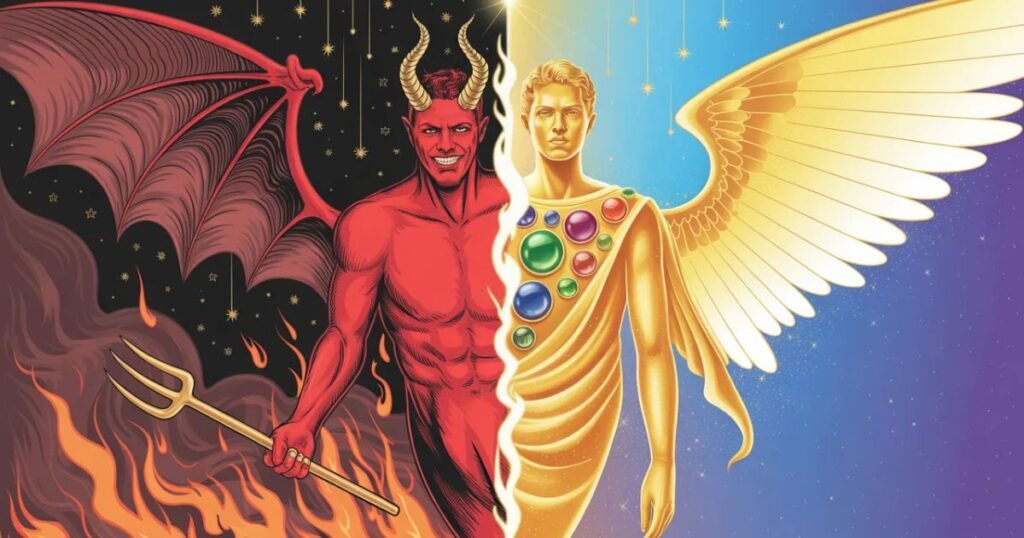
Most everything you’ve heard about Lucifer is spectacularly wrong.
That red-skinned devil with horns? Not in Scripture. The ruler of hell tormenting souls? Never mentioned in the Bible. The serpent who tempted Eve? The text doesn’t call him Lucifer.
Recent surveys reveal that roughly 78% of Christians hold beliefs about Lucifer in the Bible that have zero biblical foundation. These misconceptions didn’t emerge from Scripture—they evolved through centuries of artistic license, medieval folklore, and cultural misunderstanding.
So what does the biblical truth actually reveal about this enigmatic figure? Prepare to have your assumptions challenged. The biblically accurate Lucifer looks nothing like pop culture’s version.
Biblically Accurate Understanding of Lucifer’s Identity
The name “Lucifer” appears exactly once in most English Bibles—Isaiah 14:12 in the King James Version. Just once. Not scattered throughout Revelation. Not lurking in Genesis. Once.
Here’s what that verse says: “How art thou fallen from heaven, O Lucifer, son of the morning! how art thou cut down to the ground, which didst weaken the nations!”
But here’s the startling reality: the Hebrew Bible never uses the word “Lucifer” at all. The original text contains the Hebrew term Helel (הֵילֵל), which comes from the Hebrew root halal (הלל) meaning “to shine” or “to boast.”
Helel ben Shachar literally translates to “shining one, son of the dawn.” It’s astronomical terminology referring to the planet Venus as the morning star—the brightest celestial object visible before sunrise.
The passage isn’t introducing us to a supernatural being’s proper name. It’s a prophetic taunt against the King of Babylon, using poetic metaphor to describe his spectacular fall from power. The context makes this unmistakably clear when you read Isaiah 14:4: “That thou shalt take up this proverb against the king of Babylon…”
Common Misconceptions About Lucifer in Modern Culture
Popular culture has created a completely unbiblical character. Let’s dismantle the most pervasive myths:
Popular Misunderstandings:
- The Red Devil with Horns: This imagery comes from pagan depictions of Pan and medieval theatrical productions, not Scripture
- Ruler of Hell: The Bible never crowns Satan as hell’s king; Matthew 25:41 describes hell as prepared “for the devil and his angels”—indicating punishment, not rulership
- God’s Equal Opposite: Christian tradition doesn’t support dualism; Lucifer is a created being with limited power
- The Garden Serpent: Genesis 3 never identifies the serpent as Lucifer
- Omnipresent Tempter: Unlike God, fallen angels cannot be everywhere simultaneously
- Physical Tormentor: Scripture portrays the Adversary primarily as deceiver and accuser, not torturer
Jerome, the scholar who created the Latin Vulgate in the late 4th century, chose the Latin word Lucifer (meaning “light-bearer” from Latin roots lux and ferre) to translate Helel. This made perfect sense in Roman culture, where “Lucifer” was simply the Latin name for the morning star.
The King James Bible (1611) perpetuated this translation choice. Over centuries, what began as a metaphorical description of a Babylonian monarch’s pride became mistakenly understood as the proper name of a supernatural entity.
What Scripture Actually Reveals About Lucifer
When we apply proper hermeneutical integrity and avoid eisegesis (reading meaning into the text), Isaiah 14:12–15 tells a straightforward story:
A powerful earthly ruler became intoxicated by his own success. His empire dominated neighboring nations. His wealth exceeded comprehension. His influence shaped the ancient world. Then—catastrophically—he fell. The prophecy uses cosmic imagery to amplify the magnitude of his downfall.
The morning star metaphor perfectly captures the king’s trajectory. Venus blazes brilliantly before dawn, appearing to challenge the sun itself. Yet when the sun rises, Venus vanishes. Similarly, this king shone brightly but temporarily—his glory extinguished when true power appeared.
Grammatical-historical interpretation demands we read this passage within its ancient Near Eastern context, not through the lens of later theological symbolism.
Read This Article: Biblically Accurate God
The Hebrew Original: Helel and Its True Meaning
Helel: Linguistic Analysis
The meaning of Helel deserves deeper exploration. Hebrew scholars note that הֵילֵל functions as a Hiphil participle—a verbal form suggesting causative action. It means “the one who brings light” or “the shining one.”
Ancient Hebrew astronomy recognized Venus as unique among celestial objects. It appeared both as an “evening star” and “morning star“—the same planet observed at different times. Its brilliance exceeded all other visible objects except the sun and moon.
Consider this comparison across translations:
| Bible Version | Isaiah 14:12 Rendering | Publication Year |
|---|---|---|
| King James Version | “O Lucifer, son of the morning” | 1611 |
| New King James Version | “O Lucifer, son of the morning” | 1982 |
| English Standard Version | “O Day Star, son of Dawn” | 2001 |
| New International Version | “morning star, son of the dawn” | 1978 |
| New American Standard | “star of the morning, son of the dawn” | 1971 |
Notice how modern Bible translations have abandoned “Lucifer” entirely, returning to descriptive translations that maintain the morning star Hebrew metaphor without suggesting a proper name.
Jerome’s Latin Vulgate and the Birth of ‘Lucifer’
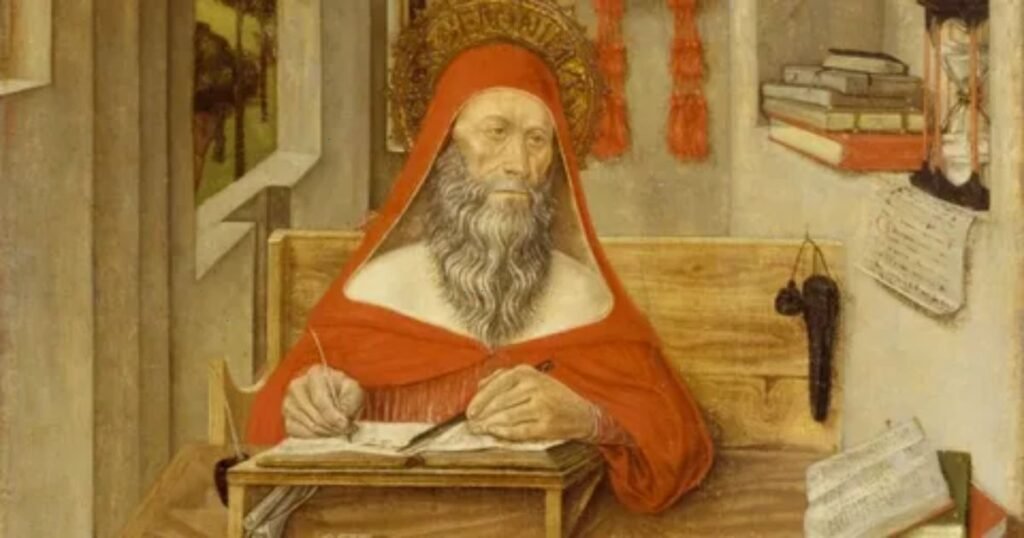
Jerome’s scholarly decision shaped Western Christianity for over 1,600 years. Working in Ravenna, Italy during the late 4th and early 6th centuries, he created the authoritative Latin translation that the medieval church would adopt universally.
His choice of “Lucifer” wasn’t problematic initially. Latin-speaking Christians understood it as describing the morning star, not naming a supernatural rebel. The Latin Vulgate dominated Christian Scripture until the Protestant Reformation.
Problems emerged when biblical translation became associated with heresy. For centuries, laypeople couldn’t read Scripture in their own languages. When English translations finally appeared, translators borrowed “Lucifer” from Jerome’s work without reconsidering whether it accurately conveyed the Hebrew text’s meaning.
The King James Lucifer translation cemented this tradition in English-speaking Protestantism. Generations of believers encountered this single verse and developed entire theological frameworks around a name that exists nowhere else in Scripture.
Biblically Accurate Description of Lucifer’s Appearance
Scripture provides surprisingly specific details about a being of pre-fall glory—but identifying this being presents significant challenges.
Lucifer’s Pre-Fall Glory According to Ezekiel
Ezekiel 28:12–17 describes a figure of breathtaking magnificence. Let’s examine this crucial passage:
Ezekiel’s Description of Original Splendor:
“You were the seal of perfection, full of wisdom and perfect in beauty. You were in Eden, the holy mountain of God; you walked among the fiery stones. You were anointed as a guardian cherub, for so I ordained you. You were blameless in your ways from the day you were created till wickedness was found in you.” (Ezekiel 28:14–16)
This passage describes the anointed guardian cherub with extraordinary detail:
- “Seal of perfection” – representing the pinnacle of God’s creative work
- “Full of wisdom” – possessing supernatural intelligence
- “Perfect in beauty” – aesthetically flawless
- Nine precious stones adorned this being: carnelian, topaz, emerald, chrysolite, onyx, jasper, sapphire, turquoise, and beryl
The nine precious stones Ezekiel mentions recall the high priest’s breastplate, suggesting sacred function and proximity to divine presence.
But here’s the controversy: Ezekiel 28 directly addresses the “King of Tyre“—another ancient monarch. Scholars debate whether this passage describes only an earthly ruler using hyperbolic language, or whether it simultaneously references a cosmic figure behind earthly kingdoms.
Protestant Reformers divided on this question. John Calvin interpreted Isaiah 14 strictly as addressing Babylon’s king, while acknowledging that Ezekiel 28 might reference something beyond human experience.
The Morning Star Imagery in Isaiah’s Prophecy
Morning Star Symbolism:
The morning star Venus symbolism carried profound meaning in ancient cultures. Venus blazes at magnitude -4.6—bright enough to cast shadows. Ancient observers noticed its predictable pattern: appearing before sunrise for several months, disappearing, then reappearing as an evening star.
This astronomical behavior created perfect metaphorical material. Something that appears to rival the sun itself yet disappears when true light arrives—what better image for pride that exalts itself above God?
Isaiah 14:13–15 contains the famous five “I will” statements:
- “I will ascend to heaven“
- “I will raise my throne above the stars of God“
- “I will sit enthroned on the mount of assembly“
- “I will ascend above the tops of the clouds”
- “I will make myself like the Most High”
Each declaration escalates the rebellion in heaven narrative, progressing from spatial ascension to theological blasphemy. The climax—claiming equality with God—represents pride before the fall in its purest form.
Interestingly, Jesus later claims the title “bright morning star” in Revelation 12:7–9 and Revelation 22:16, reclaiming and fulfilling what the Babylonian king falsely grasped.
Does Lucifer Possess Physical Form After His Fall?
Post-Fall Manifestation Possibilities:
Scripture maintains puzzling silence about specific fallen angel appearances. We know from various passages that angelic beings can manifest physically—Genesis 18:2 and Genesis 19:1 describe angels appearing as men. But their essential nature remains spiritual, not material.
2 Corinthians 11:14 reveals that Satan masquerades as an angel of light, indicating shapeshifting capacity. This suggests fallen angels aren’t bound to single physical forms.
Revelation 12:3 describes “a great red dragon” with seven heads and ten crowns—but scholars universally recognize this as symbolic apocalyptic literature, not a literal description.
The honest answer? We don’t know what fallen angels look like because Scripture doesn’t tell us. Any specific physical description ventures beyond biblical authority into speculation.
What Biblical Silence Tells Us Lucifer Is Not
Unbiblical Attributes:
What we can definitively say is what Scripture never describes:
- Red skin (medieval theatrical convention)
- Horns and pitchfork (borrowed from Pan imagery)
- Bat wings (medieval art invention)
- Hooves (goat-demon conflation)
- Physical throne in Sheol (hell as kingdom)
- Equal power to God (created being remains created)
- Omnipresence (only God is everywhere)
The red devil origin traces to medieval European theater, where actors playing demonic characters wore red costumes and masks with horns. Victorian theatre amplified these images, and Halloween devil imagery commercialized them into cultural ubiquity.
Critical Distinction Between Lucifer and Satan in Scripture

Are Lucifer and Satan the same being? Christian tradition overwhelmingly answers yes. But does Scripture actually support this equation?
Biblical Evidence Supporting Their Distinction
Comparative Analysis of Names and Roles:
The name “Lucifer” appears once. The term “Satan” appears dozens of times across both Old Testament and New Testament. They function in completely different contexts:
Satan in Job 1:6–12 appears in the divine council as “the accuser“—a title, not a name. He operates within defined parameters, unable to act without divine permission. This portrayal suggests ongoing access to God’s presence, challenging the idea that he was cast from heaven before human history began.
Zechariah 3:1–2 shows Satan again in the divine council, opposing Joshua the high priest. Luke 22:31 records Jesus telling Peter that “Satan has asked to sift you as wheat”—again suggesting petition-based limitation, not autonomous rulership.
Matthew 4:1 describes Satan tempting Jesus. Matthew 13:19 calls him “the evil one” who snatches the word from hearts. 1 Peter 5:8 warns he “prowls around like a roaring lion seeking whom he may devour.”
But never—not once—does New Testament Scripture call this adversary “Lucifer.” The biblical names remain distinct.
How Christian Tradition Merged These Figures
Historical Development:
Early church fathers began connecting these figures. Origen of Alexandria (185-254 AD) first suggested Isaiah 14 might describe Satan’s pre-human fall. Tertullian (155-220 AD) connected angelic rebellion with these passages.
The merger accelerated through medieval theology. When the church needed to systematize angelology and explain evil’s origin, these passages provided useful material. Soon, Lucifer vs Satan distinction blurred into complete identification.
Dante Alighieri’s Divine Comedy (14th century)—particularly the Inferno—portrayed a frozen Satan at hell’s center, three-headed and grotesque. Though Dante’s Inferno Satan never appears as “Lucifer,” the conflation became standard in Western culture.
John Milton’s Paradise Lost (1667) completed the merger. Milton’s Satan Lucifer character combines Isaiah 14, Ezekiel 28, and Revelation 12 into one complex tragic rebel. This literary masterpiece influenced Protestant theology more than most realize. Paradise Lost Lucifer essentially became the definitive version in English-speaking Christianity.
Protestant Reformers’ Rejection of the Equation
The Protestant Reformers weren’t unanimous on this merger. Martin Luther’s Lucifer interpretation leaned toward literal readings of Isaiah 14 as addressing Babylon’s king, though he acknowledged spiritual application.
John Calvin’s Isaiah 14 commentary explicitly questions whether this passage describes Satan:
“Some [church fathers] have supposed this passage describes the devil… but I rather incline to apply it to the king of Babylon.” (Calvin on Isaiah 14)
Reformed tradition emphasized sola scriptura—Scripture alone—which created tension with traditions built on church fathers’ interpretations rather than explicit biblical statements.
Why This Theological Distinction Matters Today
Practical Implications:
Doctrinal clarity affects more than academic theology. When we confuse passages about earthly kings with descriptions of Satan, we risk several problems:
- Eisegesis (reading meaning into text) replaces sound exegesis
- We build theology on uncertain foundations
- Spiritual warfare understanding becomes muddled
- We teach traditions as though they’re Scripture
- Apologetics becomes vulnerable when skeptics discover the confusion
Recognizing that “Lucifer” might simply be a morning star metaphor for a Babylonian king doesn’t diminish Satan’s reality. It simply maintains hermeneutical honesty about what Scripture actually says versus what tradition has added.
Biblically Accurate Account of Lucifer’s Fall and Significance
Whether Isaiah 14 and Ezekiel 28 describe Satan or earthly kings, they reveal profound truth about pride’s destructive nature.
The Narrative of the Fallen Angel in Scripture
Chronological Progression of Lucifer’s Story:
If we assume these passages do reference angelic fall, here’s the reconstructed timeline:
- Creation: Perfect in wisdom and beauty (Ezekiel 28:12)
- Positioning: Anointed as guardian cherub (Ezekiel 28:14)
- Integrity: “Blameless in your ways from the day you were created” (Ezekiel 28:15)
- Corruption: “Till wickedness was found in you” (Ezekiel 28:15)
- Pride’s Growth: Heart became proud because of beauty (Ezekiel 28:17)
- Active Rebellion: Five “I will” declarations (Isaiah 14:13–15)
- Judgment: Cast to earth (Isaiah 14:12; Luke 10:18)
- Ongoing Conflict: Spiritual warfare Ephesians 6:12
- Final Destiny: Lake of fire prepared for devil and angels (Matthew 25:41)
Luke 10:18 records Jesus saying, “I saw Satan fall like lightning from heaven”—possibly referencing this ancient rebellion, though interpretations vary.
Lucifer’s Five ‘I Will’ Declarations of Pride
Progressive Escalation of Rebellion:
The five “I will statements Isaiah” deserve careful analysis. Each represents escalating ambition against God:
Declaration #1: “I will ascend to heaven”
- Spatial rebellion against assigned place
- Discontent with created limitations
- Desire for what wasn’t given
Declaration #2: “I will raise my throne above the stars of God”
- Authority challenge
- The “stars of God” likely reference other angelic beings
- Competitive rather than cooperative mindset
Declaration #3: “I will sit enthroned on the mount of assembly”
- Position usurpation
- The mount of assembly represents God’s governing seat
- Attempt to replace divine authority
Declaration #4: “I will ascend above the tops of the clouds”
- Transcendence attempt
- Clouds often symbolize God’s presence in Scripture
- Rejection of creaturely status
Declaration #5: “I will make myself like the Most High”
- Ultimate blasphemy
- Self-deification
- Pride as original sin crystalized
Notice the progression: each statement builds on the previous, moving from place to position to person. The corruption of wisdom led to systematic theological sin.
The Nature of Sin: Pride in God-Given Perfection
Here’s the theological puzzle: How does sin originate within perfection?
Ezekiel 28:15 confronts us with mystery: “You were blameless in your ways from the day you were created till wickedness was found in you.”
“Found in you”—not introduced from outside. Not inherited. Not programmed. Found within.
This raises profound questions about free will and fallen angels. Classical theology suggests that angelic beings possessed what theologians call “contingent perfection“—they were perfect in the sense of being without flaw, but not perfect in the sense of being unable to fall. They lacked what the faithful angels later received: “confirmation in goodness“—an eternal establishment in righteousness.
Proverbs 16:18 captures the principle: “Pride goes before destruction, a haughty spirit before a fall.”
The being described in Ezekiel 28 possessed extraordinary gifts:
- Unparalleled beauty
- Supernatural wisdom
- Privileged position
- Direct access to God’s presence
- Honor among heavenly hosts
Ironically, these very gifts became the occasion for pride. The misuse of God-given gifts represents a particular temptation for highly talented individuals—confusing the gift with identity, forgetting the gift-giver.
Catastrophic Consequences of Angelic Rebellion
Reversal from Glory to Degradation:
Ezekiel 28:16–17 describes the fall from heaven metaphor with devastating detail:
“Through your widespread trade you were filled with violence, and you sinned. So I drove you in disgrace from the holy mountain of God, and I expelled you, guardian cherub, from among the fiery stones. Your heart became proud on account of your beauty, and you corrupted your wisdom because of your splendor.”
The consequences proved comprehensive:
- Loss of position: Expelled from the holy mountain
- Disgrace: Driven out in shame
- Corrupted wisdom: Intelligence twisted toward deception
- Beauty marred: Glory transformed to something else
- Access revoked: Removed from God’s immediate presence
- Future judgment: Eternal separation awaiting
Isaiah 14:16 captures onlookers’ astonishment: “Those who see you stare at you, they ponder your fate: ‘Is this the man who shook the earth and made kingdoms tremble?'”
From cosmic threat to pitiable creature—the reversal stuns observers.
The Scope of Rebellion: One-Third of Angels
Revelation 12:4 provides a chilling detail: “His tail swept a third of the stars out of the sky and flung them to the earth.”
While Revelation operates in symbolic apocalyptic genre, this suggests massive angelic rebellion. If “stars” represent angelic beings (as Job and Revelation elsewhere suggest), then one-third of angels fall alongside the dragon figure.
This raises questions:
- How were angels convinced to rebel?
- What arguments proved persuasive?
- Did they receive opportunity for repentance?
- Why is their judgment final while humans receive redemption opportunities?
Theological tradition suggests angels’ superior intelligence means their choices are fully informed and therefore irrevocable. Angelic free will operates differently than human free will—their decisions possess finality humans’ don’t.
The cosmic conflict theology framework recognizes ongoing spiritual warfare between faithful and fallen angelic forces, with humanity caught in the middle.
Artistic Evolution of Lucifer’s Image Throughout History
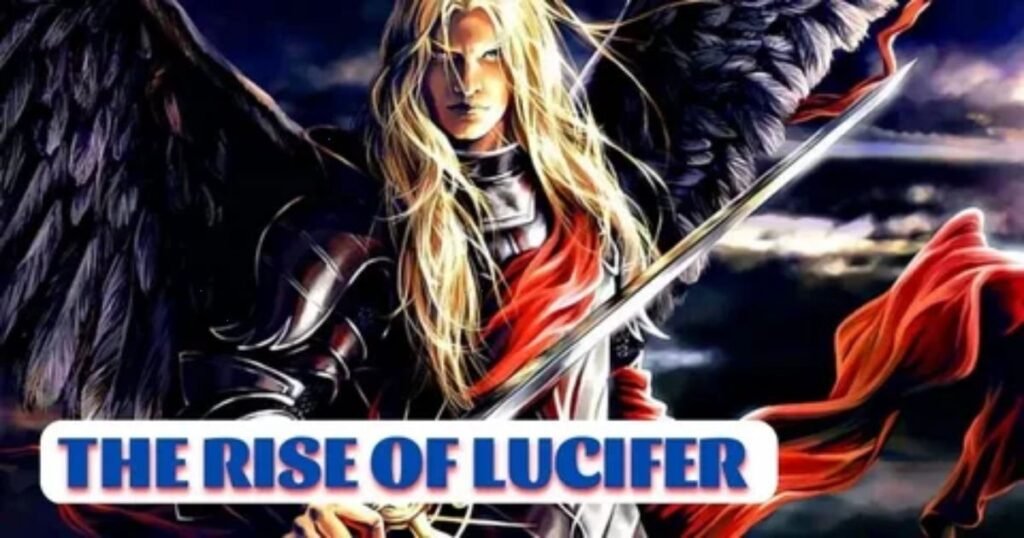
Art shaped theology more than most Christians realize. Let’s trace how visual culture replaced biblical description.
Early Medieval Period: The Ethereal Blue Angel
Characteristics of Early Depictions:
Early Christian art portrayed Lucifer quite differently than modern images. Byzantine iconography from the 6th to 10th centuries showed fallen angels as beautiful but sorrowful beings:
- Blue coloring represented heavenly origin
- Wings remained intact (though sometimes darkened)
- Faces expressed tragedy rather than malice
- Halo sometimes present but cracked or removed
- Human-like appearance without monstrous features
The mosaic at Sant’Apollinare Nuovo in Ravenna (6th century) depicts angels in graduated blues and purples, distinguishing heavenly ranks through color rather than deformity.
This reflected theological sophistication: sin corrupts but doesn’t necessarily annihilate original beauty. The tragedy of the fall lies precisely in what was lost—if the fallen were always monsters, their rebellion would lack poignancy.
High Medieval Transformation to Grotesque Forms
Evolution of Medieval Imagery:
The 12th through 14th centuries witnessed dramatic transformation. Medieval Lucifer imagery became increasingly grotesque:
- Black or dark green skin replaced blue
- Animal features appeared: goat legs, cloven hooves
- Bat wings replaced feathered angel wings
- Multiple heads or faces
- Scales, tails, and claws
- Fire and sulfur associations
The Black Death (1347-1351) intensified this shift. As plague ravaged Europe, religious art grew darker, emphasizing divine judgment and hellish punishment. Dante’s Inferno (completed 1320) described Satan frozen in ice at hell’s center, three-headed and grotesque—though still not red.
Church architecture utilized demonic gargoyles as teaching tools. Illiterate congregations “read” theology through visual narrative. Fear-based evangelism found these images useful—better to terrify people toward repentance than risk their damnation.
Renaissance Romanticization: Milton’s Tragic Rebel
John Milton’s Paradise Lost (1667) revolutionized Lucifer’s image again. Milton created a complex, psychologically rich character:
“Better to reign in Hell, than serve in Heav’n.” (Paradise Lost, Book 1)
Milton’s Satan Lucifer possessed tragic nobility. Defeated but unbowed, he became the prototype for the romantic anti-hero. Later romantic poets—Lord Byron, Percy Shelley—idealized this rebellious figure as championing individual freedom against tyrannical authority.
This literary tradition profoundly shaped Protestant imagination. Many Christians unconsciously absorb Paradise Lost Lucifer characteristics while assuming they’re biblically based. The artistic vs biblical Lucifer divergence reached its widest point.
Victorian Era Through Modern: The Theatrical Red Devil
Modern Representations Across Media:
The red devil emerged from theatrical traditions. Victorian theatre standardized the costume:
- Bright red body suit
- Black horns (like a ram)
- Pointed tail
- Pitchfork (originally a theatrical prop for comic effect)
- Goatee and mustache
Charles Gounod’s opera Faust (1859) popularized these elements across Europe and America. The image proved so commercially successful that it spread through:
- Vaudeville performances
- Political cartoons
- Advertising (Red Devil paint, Underwood Deviled Ham)
- Early cinema
- Halloween commercialization
- Modern media (TV, film, video games)
The TV series Lucifer (2016-2021) represents contemporary reinterpretation—a charming, attractive figure who runs a nightclub, far removed from biblical descriptions or traditional theology.
Contrasts Between Artistic and Biblical Portrayals
Key Divergences:
| Artistic Tradition | Biblical Description |
|---|---|
| Red skin with horns | No physical description given |
| Pitchfork weapon | No weapons mentioned |
| Bat wings | Original description includes cherub covering |
| Underground throne room | Cast to earth, limited authority |
| Comical or sexy | Dangerous spiritual deceiver |
| Tortures the damned | Himself destined for eternal punishment |
| Equal opposite to God | Created being under divine judgment |
| Omnipresent tempter | Finite being with limited presence |
The biblical vs artistic Lucifer comparison reveals how thoroughly cultural entities replaced scriptural foundation.
Theological Insights from a Biblically Accurate Lucifer
Whether these passages describe Satan or earthly monarchs, they illuminate profound spiritual truths.
The Paradox of Created Perfection and Free Will
Theological Tensions:
How do perfect beings choose evil? This question perplexes theologians and philosophers alike.
Free will requires genuine alternatives. Without capacity for evil, choosing good lacks meaning—it’s programming, not choice. Yet how can perfection contain seeds of imperfection?
Classical theology distinguishes between two types of perfection:
- Integrity perfection: Created without flaw but able to fall
- Confirmed perfection: Established in goodness, unable to fall
Fallen angels possessed the first; faithful angels received the second after their testing period. This explains how beings described as “perfect” could rebel while others remained steadfast.
Calvinists and Arminians debate whether angelic free will operated identically to human free will, but both traditions affirm its reality. Dependence on God wasn’t eliminated by perfection—it was tested by it.
The Origin of Evil Within a Perfect Being
Origin of evil in Scripture presents philosophical challenges. If God creates everything, did He create evil?
Classical theology, following Augustine, understands evil as privation—the absence or corruption of good, not a substance itself. Darkness isn’t a thing; it’s the absence of light. Cold isn’t a substance; it’s the absence of heat.
Similarly, sin represents the privation of proper relationship with God. Pride displaces humility. Self-worship replaces God-worship. Rebellion corrupts obedience.
The being in Ezekiel 28:15 illustrates this: “Till wickedness was found in you.” Not introduced from outside. Found within. Like cancer originating within otherwise healthy cells, sin emerged from internal corruption of will.
Pride’s Specific Temptation: Giftedness and Position
Pride’s Manifestations in Lucifer:
Ezekiel 28:17 identifies the specific mechanism: “Your heart became proud on account of your beauty, and you corrupted your wisdom because of your splendor.”
Notice what triggered pride:
- Beauty (appearance, aesthetic perfection)
- Wisdom (intelligence, understanding)
- Splendor (glory, radiance, magnificence)
These weren’t flaws—they were God-given gifts. The corruption came through misappropriation. The gift receiver began identifying AS the gift rather than seeing himself as steward OF the gift.
Romans 12:3 warns: “Do not think of yourself more highly than you ought, but rather think of yourself with sober judgment.”
Leadership pride represents particular danger. Those granted significant gifts face unique temptation: confusing gift with identity, forgetting the gift-giver, resenting the position of others, demanding recognition exceeding role.
The lessons from Lucifer’s fall apply directly to talented people in every generation. Giftedness doesn’t grant independence from God—it increases responsibility toward Him.
Cosmic Implications: Corrupting Others and Spiritual Warfare
Broader Consequences:
Revelation 12:4 suggests one-third of angels joined the rebellion. This wasn’t a solitary fall but a cosmic conflict affecting multitudes.
Ephesians 6:12 describes ongoing results: “For our struggle is not against flesh and blood, but against the rulers, against the authorities, against the powers of this dark world and against the spiritual forces of evil in the heavenly realms.”
Spiritual warfare theology recognizes that fallen angels continue opposing God’s purposes:
- Deception (2 Corinthians 11:14—Satan masquerading as angel of light)
- Accusation (Zechariah 3:1; Revelation 12:10)
- Temptation (Matthew 4:1; Luke 22:31)
- Blinding minds (2 Corinthians 4:4)
- Prowling for victims (1 Peter 5:8)
Yet their power remains limited. They operate under divine permission, cannot read minds, and face certain judgment. Demonic deception succeeds only when humans yield ground.
Lessons for Humanity: Humility and Dependence on God
Practical Applications from Lucifer’s Fall:
The narrative—whether about Satan or symbolic of human pride—teaches critical lessons:
1. Recognize Everything as Received Every talent, position, opportunity, and blessing originates with God. Dependence on God isn’t weakness; it’s reality acknowledgment.
2. Beware Pride’s Subtle Growth Pride doesn’t announce itself. It grows gradually, feeding on legitimate accomplishments until gratitude transforms into entitlement.
3. Guard Against Comparison The five “I will” statements reveal competitive mindset: “I will raise my throne ABOVE the stars of God.” Comparison breeds either pride or despair—both distort reality.
4. Maintain Accountability Isolation enabled corruption. Community provides correction, perspective, and accountability that protect against self-deception.
5. Practice Gratitude Humility vs pride Scripture consistently emphasizes thanksgiving. Gratitude functions as pride’s antidote, continually reorienting hearts toward the gift-giver.
6. Remember Judgment Isaiah 14:15 declares: “But you are brought down to Sheol, to the depths of the pit.” Pride’s trajectory always descends, regardless of how ascension looked initially.
Christ modeled the opposite trajectory: “Who, being in very nature God, did not consider equality with God something to be grasped, but made himself nothing… he humbled himself by becoming obedient to death—even death on a cross!” (Philippians 2:6-8)
Summary: The Biblically Accurate Lucifer
So what have we discovered about the biblically accurate Lucifer?
The name appears once in the King James Bible—Isaiah 14:12—translating the Hebrew Helel ben Shachar (shining one, son of dawn). Modern translations recognize this as morning star imagery describing the King of Babylon’s fall.
Jerome’s Latin Vulgate introduced “Lucifer” as translation, which the King James perpetuated. Over centuries, what began as metaphor became mistaken for a proper name.
Whether Ezekiel 28 describes Satan’s pre-human fall remains theologically debated. Protestant Reformers like Calvin and Luther approached such passages cautiously, distinguishing between what Scripture clearly states and what tradition assumes.
The Lucifer vs Satan question reveals how Christian tradition merged distinct biblical concepts. “Satan” appears frequently as “the adversary” or “accuser.” “Lucifer” appears once as poetic metaphor. Their equation, while traditional, isn’t explicitly scriptural.
Artistic evolution replaced biblical description. From Byzantine blue angels to medieval grotesque forms to Milton’s tragic rebel to Victorian red devils—each era projected its theology onto Lucifer’s image. The artistic vs biblical portrayal gap widened with each generation.
Yet profound truth emerges regardless of specific identification. Pride—especially pride in God-given gifts—precedes catastrophic fall. Beauty, wisdom, and position tempt their possessors toward self-exaltation. Free will makes love possible but also enables rebellion.
The lessons transcend debate about specific interpretation:
- Maintain humility through gratitude
- Recognize dependence on God as reality
- Guard against pride’s subtle corruption
- Value God-given position without demanding more
- Remember that judgment follows unrepentant pride
Biblically accurate Lucifer looks nothing like popular culture’s red devil. He appears instead as a warning—a mirror reflecting pride’s trajectory in every human heart. Whether ancient Babylonian king or fallen angel, the narrative exposes sin’s origin in God-given perfection corrupted by self-worship.
The gospel offers what fallen angels never received: redemption. Where pride leads downward, humility opens pathways to grace. Where rebellion demands independence, faith embraces dependence. Where self-exaltation grasps for glory, Christ-likeness receives it as gift.
That’s the shocking truth Scripture reveals: The real danger isn’t a red devil with a pitchfork. It’s the pride lurking within every heart that received gifts from God’s hand.
Will you worship the gift or the gift-giver?
Want to explore this topic further? Study Isaiah 14, Ezekiel 28, and Revelation 12 in their full contexts. Compare multiple translations. Investigate what Scripture explicitly states versus what tradition has added. The biblically accurate picture might surprise you.